
Home care services in Virginia play a vital role in supporting individuals who need assistance with daily living while remaining in the comfort of their own homes.
As families increasingly look for alternatives to institutional care, understanding how home care services in Virginia operate becomes essential.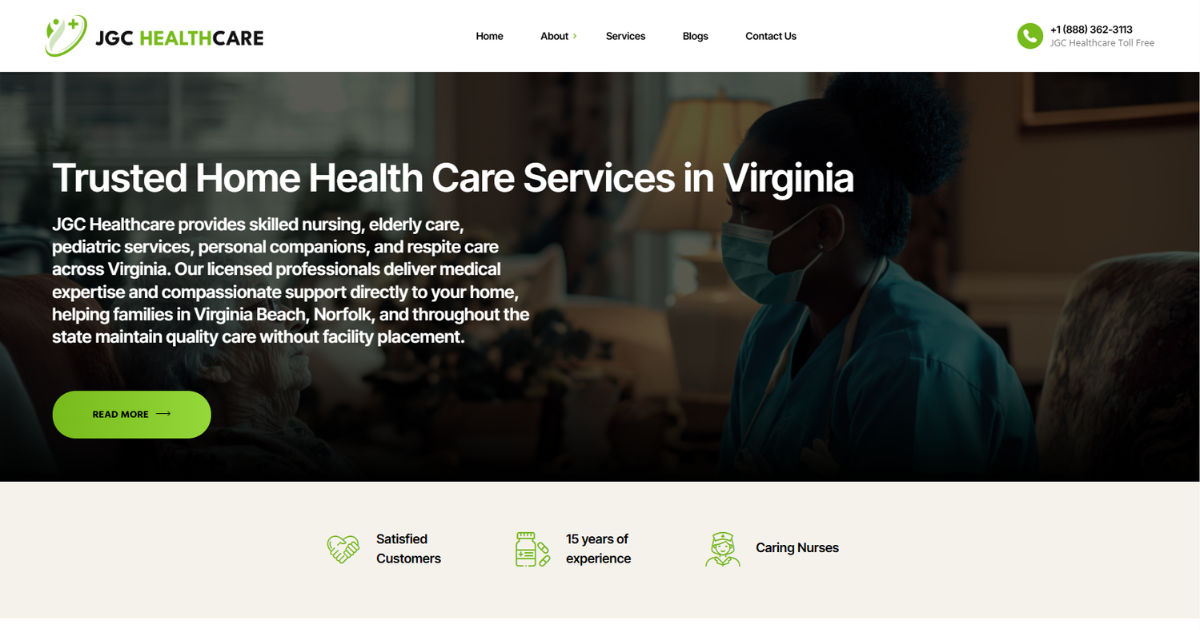
These services are designed to provide personalized support, maintain independence, and improve quality of life for seniors, people with disabilities, and those recovering from illness or surgery.
This comprehensive guide explains how home care services in Virginia function, from licensing and staffing to care delivery, costs, and regulations. It is written in a simple and easy-to-understand way so anyone can learn how the system works.
Home Care Agencies
Home care services in Virginia are provided by agencies that employ trained caregivers to assist clients in their homes. These agencies act as the bridge between families and professional caregivers.
Home care agencies typically offer non-medical services, though some may also provide skilled nursing care depending on their licensing. The goal of home care services in Virginia is to help individuals live safely and comfortably without moving into a nursing home or assisted living facility.
Types of Home Care Services in Virginia
Home care services in Virginia can be divided into two main categories: non-medical care and medical care.
Non-Medical Home Care
This type of care focuses on daily activities and companionship. It includes:
- Personal hygiene assistance such as bathing and grooming
- Meal preparation and feeding support
- Light housekeeping
- Transportation to appointments
- Companionship and emotional support
Non-medical home care services in Virginia are the most common and are ideal for seniors who need help but do not require medical treatment.
Medical Home Care
Some agencies provide skilled medical care under licensed professionals. These services include:
- Nursing care
- Physical therapy
- Medication management
- Wound care
Medical home care services in Virginia are usually prescribed by a doctor and may be covered by insurance or Medicare.
Licensing and Regulations
Home care services in Virginia are strictly regulated to ensure safety and quality. Agencies must be licensed by the Virginia Department of Health.
To operate legally, home care services in Virginia must meet requirements such as:
- Background checks for employees
- Proper caregiver training
- Compliance with health and safety standards
- Regular inspections
These regulations ensure that home care services in Virginia maintain high standards and protect vulnerable individuals.
How Home Care Agencies Start Operations
Starting home care services in Virginia involves several steps. First, the agency must register as a business and apply for a license. Then, it must develop policies, hire qualified staff, and set up administrative systems.
Once licensed, home care services in Virginia begin building a client base. This often involves working with hospitals, doctors, and community organizations to receive referrals.
Hiring and Training Caregivers
Caregivers are the backbone of home care services in Virginia. Agencies carefully select and train their staff to ensure quality care.
Hiring Process
The hiring process typically includes:
- Background checks
- Interviews
- Verification of certifications
- Reference checks
Home care services in Virginia prioritize hiring compassionate and reliable individuals.
Training Programs
Training is essential to ensure caregivers can perform their duties effectively. Home care services in Virginia provide training in:
- Personal care techniques
- Safety procedures
- Communication skills
- Emergency response
Well-trained caregivers improve the overall quality of home care services in Virginia.
Client Assessment and Care Planning
Before providing services, home care services in Virginia conduct a detailed assessment of the client’s needs.
Initial Assessment
This involves evaluating:
- Physical health
- Mobility
- Cognitive condition
- Daily living needs
Care Plan Development
Based on the assessment, home care services in Virginia create a personalized care plan. This plan outlines:
- Type of services needed
- Schedule of visits
- Specific caregiver responsibilities
The care plan is regularly updated to reflect changes in the client’s condition.
Daily Operations of Home Care Agencies
Home care services in Virginia operate through a structured system to ensure smooth service delivery.
Scheduling
Agencies schedule caregivers based on client needs. Home care services in Virginia use software systems to manage schedules efficiently.
Supervision
Supervisors monitor caregivers to ensure quality. They may conduct home visits or check-ins.
Communication
Clear communication is essential. Home care services in Virginia maintain regular contact with clients and families.
Costs and Payment Options
The cost of home care services in Virginia varies depending on the level of care required.
Private Pay
Many families pay out-of-pocket for home care services in Virginia. Rates are usually hourly.
Insurance Coverage
Some medical home care services in Virginia are covered by:
- Medicare
- Medicaid
- Private insurance
Financial Assistance
Programs may be available to help cover the cost of home care services in Virginia for eligible individuals.
Benefits of Home Care Services in Virginia
There are many advantages to choosing home care services in Virginia.
Comfort and Familiarity
Clients remain in their own homes, which improves emotional well-being.
Personalized Care
Home care services in Virginia offer tailored support based on individual needs.
Independence
Clients maintain control over their daily routines.
Family Involvement
Families can stay closely involved in care.
Challenges Faced by Home Care Agencies
While home care services in Virginia provide essential support, they also face challenges.
Staffing Shortages
Finding qualified caregivers can be difficult.
Regulatory Compliance
Agencies must continuously meet strict standards.
Cost Management
Balancing affordability and quality is a constant challenge for home care services in Virginia.
Technology in Home Care Services
Technology is transforming home care services in Virginia.
Scheduling Software
Helps manage caregiver assignments efficiently.
Telehealth
Allows remote monitoring of patients.
Electronic Records
Improves documentation and communication.
These advancements enhance the efficiency of home care services in Virginia.
Quality Assurance and Monitoring
Maintaining quality is a top priority for home care services in Virginia.
Regular Evaluations
Agencies conduct performance reviews of caregivers.
Client Feedback
Feedback helps improve services.
Compliance Checks
Ensures adherence to regulations.
Quality assurance ensures that home care services in Virginia remain reliable and safe.
How to Choose the Right Home Care Agency
Selecting the right provider is important.
Check Licensing
Ensure the agency is licensed to provide home care services in Virginia.
Ask About Training
Understand how caregivers are trained.
Review Services
Make sure the agency offers the services you need.
Read Reviews
Client feedback can provide valuable insights into home care services in Virginia.
Future of Home Care Services in Virginia
The demand for home care services in Virginia is expected to grow due to an aging population.
Increased Demand
More seniors prefer aging in place.
Innovation
Technology will continue to improve services.
Workforce Development
Efforts are being made to train more caregivers.
The future of home care services in Virginia looks promising as the industry evolves to meet growing needs.
Conclusion
Home care services in Virginia operate through a well-organized system that prioritizes safety, comfort, and personalized care. From licensing and caregiver training to daily operations and quality monitoring, every aspect is designed to support individuals in their homes.
These services provide a valuable alternative to institutional care, allowing people to maintain independence while receiving the help they need. Although challenges such as staffing and costs exist, ongoing improvements in technology and regulations are strengthening the industry.
Understanding how home care services in Virginia operate helps families make informed decisions and ensures that their loved ones receive the best possible care. As demand continues to rise, these services will remain a critical part of the healthcare system, offering compassionate and effective support to those who need it most.