
Online gaming has transformed the way people compete, connect, and enjoy digital entertainment. Whether you are a casual player or someone aiming to become a professional competitor, understanding how tournaments operate is an important step toward improving your gaming journey.
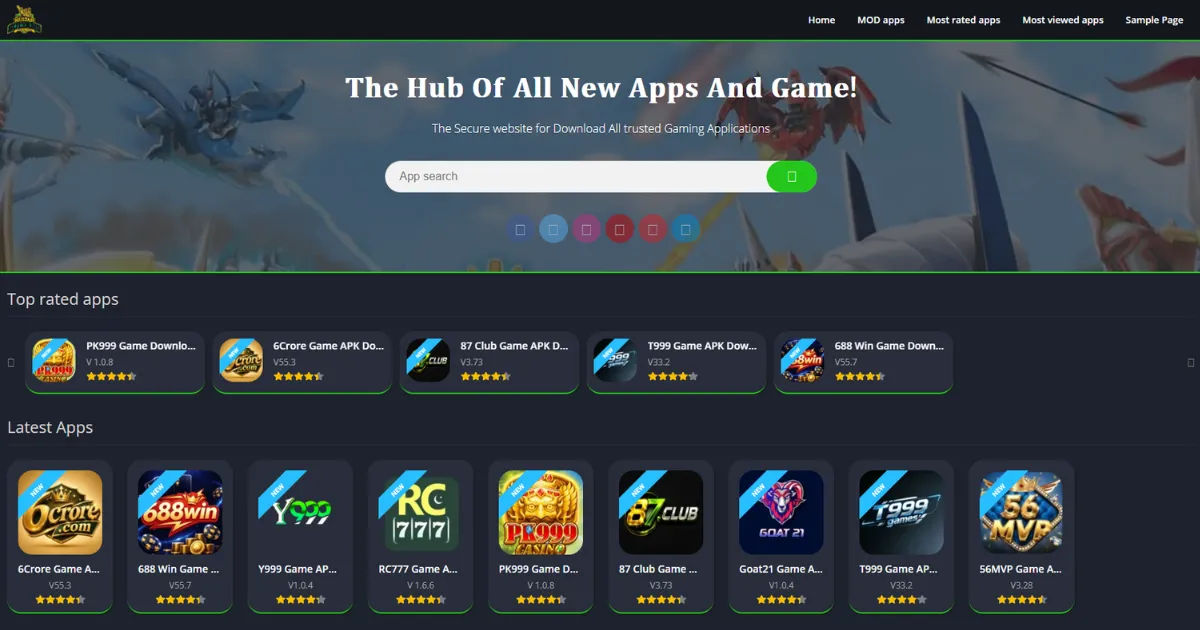
Many players using platforms like 56Mvp Game are curious about tournament formats, registration processes, scoring systems, and prize distribution.As competitive gaming continues to grow worldwide, online tournaments provide players with opportunities to test their skills against others from different regions.
From friendly competitions to large championship events, tournaments are designed to create fair, exciting, and organized gameplay for everyone involved.This guide explains everything you need to know about how online gaming tournaments work, including different tournament formats, rules, preparation tips, common challenges, and what participants can expect before, during, and after an event.
What Is an Online Gaming Tournament?
An online gaming tournament is a structured competition where players compete against one another through internet-connected games. Instead of meeting in a physical location, participants play from their own homes using computers, gaming consoles, or mobile devices.
Many online gaming communities, including those interested in 56Mvp Game, participate in tournaments to enjoy organized competition, improve their abilities, and connect with other players.
Unlike casual matches, tournaments follow predefined rules, schedules, and scoring systems to determine winners fairly.
Why Online Gaming Tournaments Have Become Popular
The popularity of online gaming tournaments has increased because they are accessible to players around the world.
Some of the biggest reasons include:
-
Easy online participation
-
Competitive gameplay
-
Opportunities to improve skills
-
Community engagement
-
Exciting challenges
-
Organized matchmaking
-
Live streaming and spectator support
-
Recognition within gaming communities
Platforms associated with 56Mvp Game often encourage players to participate in organized competitions that reward consistency, teamwork, and strategic thinking.
Types of Online Gaming Tournaments
Different tournaments use different structures depending on the number of participants and the game's objectives.
Single Elimination Tournament
In a single elimination tournament, players are eliminated after losing one match.
Advantages include:
-
Fast competition
-
Easy scheduling
-
Simple bracket system
The disadvantage is that one mistake can end a player's tournament.
Double Elimination Tournament
Double elimination gives players a second opportunity.
After one loss, competitors move into a lower bracket. A second defeat eliminates them.
Benefits include:
-
More balanced competition
-
Greater opportunity for skilled players
-
Reduced impact of early mistakes
Round Robin Tournament
Each participant plays against every other participant.
This format works well for smaller groups because rankings depend on total performance rather than one match.
Swiss Format
Swiss tournaments pair competitors with others who have similar records after each round.
This allows everyone to play multiple matches without immediate elimination.
League Format
Some online competitions last for weeks or months.
Players earn points throughout the season before advancing to playoffs or championship rounds.
How Players Register for Tournaments
Registration usually follows several simple steps.
Create an Account
Players first create an account on the tournament platform.
Some communities connected with 56Mvp Game may require account verification before participation.
Meet Eligibility Requirements
Tournament organizers may require:
-
Minimum age
-
Valid account
-
Stable internet connection
-
Region eligibility
-
Compliance with tournament rules
Complete Registration
Participants fill out registration forms before the deadline.
Some tournaments are free, while others require an entry fee.
Receive Confirmation
After approval, players receive:
-
Match schedule
-
Tournament rules
-
Login instructions
-
Event updates
Tournament Brackets Explained
Brackets organize players into a competition structure.
Each bracket shows:
-
Opponents
-
Match times
-
Winners advancing
-
Elimination paths
Brackets automatically update after every completed match.
How Matchmaking Works
Fair matchmaking creates competitive balance.
Organizers often consider:
Player Rankings
Experienced players may be separated from beginners.
Skill Ratings
Many games use ranking systems that estimate player ability.
Geographic Region
Nearby players often experience lower latency and smoother gameplay.
Team Balance
Team tournaments attempt to create balanced competition between groups.
Tournament Rules
Every event has official rules.
Common rules include:
Time Limits
Matches must finish within specified periods.
Game Settings
Tournament organizers define:
-
Maps
-
Characters
-
Equipment
-
Difficulty
-
Match length
Fair Play
Players must avoid:
-
Cheating
-
Exploiting bugs
-
Harassment
-
Unsportsmanlike behavior
Violations can result in penalties or disqualification.
Tournament Formats for Team Games
Team tournaments require coordination among teammates.
Popular team sizes include:
-
2 vs 2
-
3 vs 3
-
5 vs 5
Success depends on communication, teamwork, and strategic planning.
Individual Competitions
Solo tournaments emphasize personal performance.
Players rely entirely on their own:
-
Skills
-
Decision-making
-
Reflexes
-
Strategy
-
Adaptability
Scoring Systems
Different games use different scoring methods.
Examples include:
Win-Loss Record
Most tournaments reward victories.
Point System
Points accumulate across multiple rounds.
Kill-Based Scoring
Some competitive games reward eliminations.
Objective-Based Scoring
Winning objectives often matters more than individual statistics.
Tournament Scheduling
Schedules help tournaments run smoothly.
Organizers publish:
-
Start times
-
Round times
-
Break periods
-
Finals schedule
Participants should join early to avoid forfeits.
Why Stable Internet Matters
Reliable internet reduces:
-
Lag
-
Disconnects
-
Match interruptions
Competitive players often test their internet before tournaments begin.
Gaming Equipment
Competitive players typically use reliable equipment.
Helpful hardware includes:
Gaming Mouse
Accurate movement improves control.
Gaming Keyboard
Responsive keys enhance reaction time.
Quality Headset
Clear audio improves communication.
Reliable Display
High refresh-rate monitors improve visual smoothness.
Comfortable Chair
Long tournaments require comfortable seating.
Practice Before Competing
Preparation improves tournament performance.
Players often:
-
Practice mechanics
-
Learn game updates
-
Review strategies
-
Watch experienced competitors
-
Analyze previous matches
Consistent practice usually leads to better decision-making.
Team Communication
Communication becomes essential during multiplayer competitions.
Effective teams:
-
Share information quickly
-
Coordinate attacks
-
Support teammates
-
Adapt strategies
-
Remain calm under pressure
Tournament Administrators
Administrators help competitions run smoothly.
Their responsibilities include:
-
Monitoring matches
-
Resolving disputes
-
Updating brackets
-
Verifying results
-
Enforcing rules
Their role ensures fairness for every participant.
Anti-Cheat Systems
Competitive gaming depends on integrity.
Tournament organizers use anti-cheat software to detect unfair behavior.
Common violations include:
-
Unauthorized software
-
Modified game files
-
Automation tools
-
Exploits
Players caught cheating usually face immediate penalties.
Streaming Online Tournaments
Many tournaments are streamed live.
Streaming allows viewers to:
-
Watch skilled players
-
Learn strategies
-
Support favorite competitors
-
Experience championship excitement
Live broadcasts have helped competitive gaming reach larger audiences worldwide.
Prize Pools
Not every tournament offers prizes.
When prizes exist, they may include:
-
Cash rewards
-
Digital items
-
Trophies
-
Medals
-
Gaming accessories
-
Recognition
Prize distribution depends on tournament rules established before competition begins.
Common Tournament Challenges
Players sometimes encounter difficulties.
Examples include:
Technical Issues
Internet outages or hardware failures can interrupt matches.
Performance Anxiety
Competitive pressure affects concentration.
Time Management
Long tournaments require patience and endurance.
Strong Opponents
Higher-level competitors create difficult but valuable learning experiences.
Strategies for Better Tournament Performance
Improvement comes from consistent effort.
Successful competitors often:
-
Stay focused
-
Warm up before matches
-
Maintain positive attitudes
-
Learn from losses
-
Adapt quickly
-
Communicate effectively
-
Practice regularly
Small improvements often produce better long-term results.
Tournament Etiquette
Respect helps create enjoyable competitions.
Good etiquette includes:
-
Following rules
-
Being respectful
-
Avoiding toxic behavior
-
Accepting victories humbly
-
Learning from defeats
Positive attitudes strengthen gaming communities.
How Winners Are Determined
Tournament winners depend on the competition format.
Champions may be selected through:
-
Final match victory
-
Highest points
-
Best overall record
-
Championship playoffs
Official administrators verify results before announcing winners.
Safety and Security
Players should protect their gaming accounts.
Recommended practices include:
-
Strong passwords
-
Two-factor authentication
-
Secure internet connections
-
Avoiding suspicious downloads
-
Reading tournament rules carefully
Good account security helps prevent unauthorized access.
How Beginners Can Start
New players do not need professional experience.
A simple path includes:
-
Learn game mechanics.
-
Practice consistently.
-
Watch experienced competitors.
-
Join small tournaments.
-
Review performance.
-
Continue improving.
Every experienced competitor started as a beginner.
Benefits of Participating
Tournament participation offers several advantages.
These include:
-
Improved skills
-
Better teamwork
-
Faster decision-making
-
Increased confidence
-
Community involvement
-
Competitive experience
Even players who do not win often gain valuable experience.
Common Mistakes to Avoid
Many beginners make similar errors.
Avoid:
-
Ignoring tournament rules
-
Arriving late
-
Poor communication
-
Playing without practice
-
Becoming frustrated after losses
-
Neglecting internet testing
Learning from mistakes is an important part of becoming a stronger competitor.
Frequently Asked Questions
Are online gaming tournaments only for professionals?
No. Many tournaments welcome beginners, intermediate players, and experienced competitors.
Can I play from home?
Yes. Most online tournaments are specifically designed for remote participation.
Do tournaments always have entry fees?
No. Many competitions are free, while others may require registration fees depending on the organizer.
How long do tournaments last?
Some finish within a few hours, while larger competitions may continue over several days or weeks.
Can teams participate together?
Yes. Many games offer both individual and team-based tournament formats.
Is practice necessary?
Regular practice helps players improve mechanics, teamwork, and confidence before entering competitive matches.
Conclusion
Online gaming tournaments provide structured competition that allows players to challenge themselves, improve their abilities, and become part of larger gaming communities. Whether a tournament uses single elimination, double elimination, round robin, or league play, each format is designed to create organized and competitive matches. Success depends on preparation, teamwork, fair play, reliable equipment, and continuous learning.
For players exploring competitive opportunities related to 56Mvp Game, understanding tournament rules, registration procedures, scoring systems, and match formats can make participation more enjoyable and rewarding. While winning is exciting, every tournament offers valuable experience that helps players develop stronger skills, better communication, and greater confidence for future competitions. By practicing consistently, respecting fellow competitors, and embracing every challenge as a learning opportunity, players can make the most of the growing world of online gaming tournaments.