
When it comes to overcoming substance use and other behavioral challenges, seeking professional help is often the most effective step.
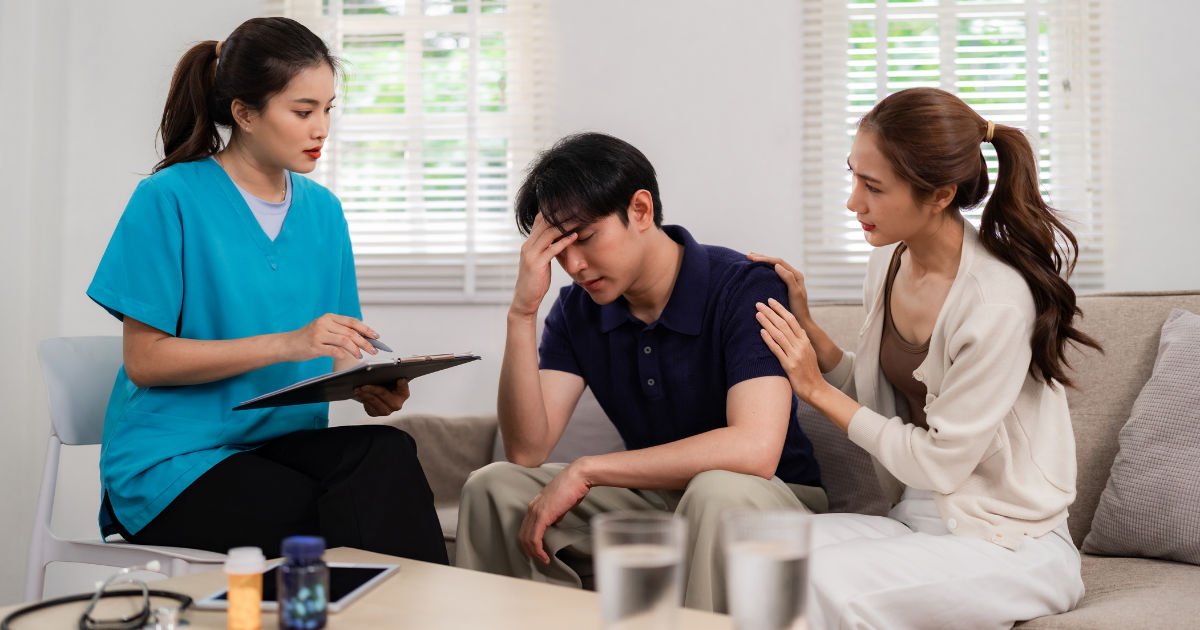
One of the most reliable options is clinic-based treatment. If you or a loved one is struggling, an addiction treatment center provides structured care, professional guidance, and evidence-based therapies to support recovery.
This comprehensive guide will explore everything you need to know about clinic-based treatment, including types, benefits, processes, and what to expect.
What is Clinic-Based Treatment?
Clinic-based treatment refers to a structured medical and therapeutic program provided within a healthcare facility, often under the supervision of trained professionals. Unlike informal or home-based interventions, clinic-based treatment offers consistent monitoring, immediate medical support, and access to a wide range of therapies.
The goal of these programs is not only to stop substance use but also to address the underlying psychological, emotional, and social issues contributing to addiction. At an addiction treatment center, patients can receive personalized care tailored to their unique needs, ensuring a higher chance of successful recovery.
Who Can Benefit from Clinic-Based Treatment?
Clinic-based treatment is suitable for individuals who are struggling with:
-
Alcohol dependence
-
Drug addiction (including opioids, cocaine, methamphetamine)
-
Prescription medication misuse
-
Behavioral addictions like gambling
It is also beneficial for people who:
-
Have attempted self-managed recovery but relapsed
-
Require medical supervision during detox
-
Need structured therapy and counseling
-
Struggle with co-occurring mental health issues
By visiting an addiction treatment center, patients can access comprehensive care, including medical, psychological, and social support systems.
Types of Clinic-Based Treatment
Clinic-based treatment programs vary depending on the severity of addiction, the substances involved, and the patient’s needs. The most common types include:
1. Outpatient Programs
Outpatient treatment allows patients to live at home while attending therapy sessions at a clinic.
-
Sessions can be daily or several times per week.
-
Ideal for mild to moderate addiction.
-
Patients maintain their daily routines, such as work or school.
-
Provides therapy, counseling, and sometimes medication-assisted treatment.
Outpatient programs are flexible and cost-effective but require a strong personal commitment to recovery.
2. Intensive Outpatient Programs (IOP)
Intensive Outpatient Programs are more structured than regular outpatient care.
-
Patients attend multiple therapy sessions per week, often for several hours per day.
-
Combines individual therapy, group therapy, and family counseling.
-
Includes relapse prevention strategies and life skills training.
An IOP is often a step-down from inpatient care or a step-up from basic outpatient programs. Many patients in an addiction treatment center find IOP programs essential for transitioning back to normal life.
3. Inpatient or Residential Programs
Inpatient treatment requires patients to stay at the facility full-time.
-
Best suited for severe addiction or co-occurring disorders.
-
Provides 24/7 medical and psychological supervision.
-
Eliminates exposure to environmental triggers.
-
Offers intensive therapy, structured daily routines, and peer support.
Inpatient programs at an addiction treatment center are highly effective for those needing a safe and controlled environment for recovery.
4. Detox Programs
Detoxification is often the first step in clinic-based treatment.
-
Focuses on safely managing withdrawal symptoms.
-
Medically supervised to reduce risks associated with sudden cessation.
-
May include medications to ease withdrawal.
-
Prepares the patient for subsequent therapy sessions.
Detox programs are crucial in an addiction treatment center for ensuring patient safety during the early stages of recovery.
5. Specialized Clinics
Some clinics focus on specific populations or substances.
-
Clinics for opioid dependence using medication-assisted treatment like methadone or buprenorphine.
-
Clinics for dual-diagnosis patients with both addiction and mental health disorders.
-
Clinics for adolescents or young adults with age-specific programs.
Specialized care ensures that treatment is targeted and more effective.
Key Components of Clinic-Based Treatment
Clinic-based treatment is not just about stopping substance use. It is a holistic approach that addresses physical, psychological, and social well-being. The key components include:
1. Medical Assessment and Monitoring
Every patient undergoes a thorough medical evaluation upon admission.
-
Assessment of physical health, including liver, kidney, and heart function.
-
Identification of co-occurring medical conditions.
-
Regular monitoring during treatment to ensure safety.
Medical care at an addiction treatment center ensures patients are physically supported throughout their recovery.
2. Psychological Evaluation
Mental health plays a crucial role in addiction.
-
Psychological assessments help identify depression, anxiety, trauma, or other underlying issues.
-
Customized therapy plans are developed based on these evaluations.
-
Early detection of mental health disorders improves treatment outcomes.
Psychological care ensures that patients address not just the symptoms of addiction but its root causes.
3. Individual Therapy
Individual therapy involves one-on-one sessions with a licensed therapist.
-
Focuses on personal triggers, coping strategies, and goal setting.
-
Cognitive-behavioral therapy (CBT) is commonly used to change destructive thought patterns.
-
Encourages self-awareness and accountability.
Many patients in an addiction treatment center find individual therapy essential for long-term recovery.
4. Group Therapy
Group therapy provides peer support and shared experiences.
-
Patients discuss challenges, successes, and coping strategies.
-
Fosters a sense of community and belonging.
-
Reduces isolation, which is common during recovery.
Group sessions are particularly effective in clinic-based settings because patients benefit from shared learning and encouragement.
5. Family Therapy
Family involvement can significantly impact recovery.
-
Helps loved ones understand the nature of addiction.
-
Addresses family conflicts and improves communication.
-
Provides education on relapse prevention and supportive strategies.
An addiction treatment center often encourages family participation to strengthen the patient’s support network.
6. Medication-Assisted Treatment (MAT)
Some addictions require medical interventions to reduce cravings and withdrawal symptoms.
-
Methadone, buprenorphine, and naltrexone are commonly used for opioid addiction.
-
Medications are combined with therapy for best results.
-
Monitored closely by medical professionals to avoid dependency.
MAT in a clinic ensures safe and effective treatment under expert supervision.
7. Holistic and Complementary Therapies
Many clinics include alternative approaches to support recovery.
-
Yoga, meditation, and mindfulness for stress management.
-
Art and music therapy for emotional expression.
-
Nutritional guidance to restore physical health.
Holistic therapies enhance the overall well-being of patients in an addiction treatment center.
How to Choose the Right Clinic-Based Treatment
Choosing the right clinic is critical for successful recovery. Consider these factors:
1. Accreditation and Licensing
Ensure the clinic is licensed and accredited by relevant health authorities. Accreditation indicates adherence to professional standards and safety regulations.
2. Types of Programs Offered
Different clinics specialize in different approaches. Look for one that offers programs tailored to your needs, whether outpatient, inpatient, or detox-focused.
3. Staff Qualifications
Check that the clinic employs licensed therapists, medical doctors, and trained support staff. Experienced professionals improve treatment outcomes.
4. Aftercare and Support
Recovery does not end after discharge. Clinics that offer aftercare programs, such as follow-up counseling or alumni groups, help prevent relapse.
5. Patient Reviews and Success Rates
Research patient experiences and treatment success rates. Testimonials provide insight into the clinic’s effectiveness and approach.
The Treatment Process at a Clinic-Based Facility
While each addiction treatment center may have slight variations, the general process usually includes:
1. Admission and Intake
-
Initial assessment of physical, mental, and social health.
-
Discussion of patient history and treatment goals.
-
Personalized treatment plan creation.
2. Detoxification (if necessary)
-
Medically supervised withdrawal from substances.
-
Management of withdrawal symptoms with medications if needed.
-
Preparation for therapeutic interventions.
3. Therapy and Counseling
-
Individual, group, and family therapy sessions.
-
Cognitive-behavioral therapy, motivational interviewing, and relapse prevention techniques.
-
Skills training for coping with triggers and stress.
4. Holistic and Lifestyle Support
-
Exercise, nutrition, mindfulness, and creative therapies.
-
Encouragement of healthy routines and hobbies.
-
Social and life skills development.
5. Aftercare Planning
-
Preparation for transitioning back to daily life.
-
Recommendations for ongoing therapy or support groups.
-
Strategies for maintaining sobriety and avoiding relapse.
Benefits of Clinic-Based Treatment
Clinic-based treatment offers several advantages over self-managed recovery:
-
Structured Environment: Reduces exposure to triggers and temptations.
-
Professional Guidance: Ensures safe and evidence-based care.
-
Comprehensive Approach: Addresses physical, psychological, and social factors.
-
Peer Support: Builds a supportive community of individuals in recovery.
-
Higher Success Rates: Patients in structured programs have better long-term outcomes.
Common Myths About Clinic-Based Treatment
Myth 1: Only for Severe Addictions
Fact: Clinic-based treatment is effective for all levels of addiction, from mild to severe. Programs are flexible and tailored to individual needs.
Myth 2: It’s Only About Stopping Substance Use
Fact: Treatment focuses on the underlying causes of addiction, mental health, and lifestyle improvement.
Myth 3: It’s Expensive
Fact: Many insurance plans cover clinic-based treatment. Sliding scale fees and financial assistance are also available in many centers.
Myth 4: You Lose Your Freedom
Fact: Outpatient and intensive outpatient programs allow patients to maintain their daily routines while receiving treatment.
How to Prepare for Clinic-Based Treatment
Preparation can make the treatment process smoother and more effective:
-
Research: Find a reputable addiction treatment center.
-
Plan: Arrange work, school, or family responsibilities during treatment.
-
Support: Inform close friends or family for emotional backing.
-
Set Goals: Have realistic expectations and recovery objectives.
-
Pack Essentials: Comfortable clothing, personal items, and necessary documents.
Success Stories and Case Studies
Many patients have successfully regained control of their lives through clinic-based treatment. Common elements of success include:
-
Consistent participation in therapy sessions.
-
Strong family and peer support networks.
-
Adoption of healthy routines and coping strategies.
-
Commitment to long-term recovery plans.
These success stories highlight the transformative power of structured, professional care at an addiction treatment center.
The Role of Technology in Clinic-Based Treatment
Modern clinics increasingly use technology to enhance care:
-
Teletherapy: Provides remote counseling for those unable to visit in person.
-
Mobile Apps: Track progress, manage cravings, and provide motivational support.
-
Electronic Health Records: Ensure accurate, coordinated care among medical and therapy teams.
Technology makes clinic-based treatment more accessible, efficient, and supportive for patients.
Preparing for Life After Clinic-Based Treatment
Recovery is a lifelong journey. Clinics often equip patients with tools for sustainable sobriety:
-
Support Groups: Alumni programs and community meetings.
-
Relapse Prevention Plans: Strategies to handle cravings and triggers.
-
Ongoing Therapy: Periodic check-ins or outpatient counseling.
-
Lifestyle Changes: Exercise, nutrition, hobbies, and social activities to build a fulfilling life.
Conclusion
Clinic-based treatment provides a structured, safe, and holistic approach to overcoming addiction. By offering medical supervision, evidence-based therapies, peer and family support, and aftercare planning, an addiction treatment center significantly improves the chances of long-term recovery.
Whether you are seeking help for yourself or a loved one, understanding the types of treatment, processes, and benefits is essential. Clinic-based programs are not just about stopping substance use—they are about rebuilding life, health, and hope. Recovery is possible, and with the right support, anyone can regain control and lead a fulfilling, substance-free life.