
If you regularly work with lumber, you have probably heard of a Board Foot Calculator. Whether you are building furniture, framing a house, or handling DIY woodworking projects, understanding lumber measurements is essential.
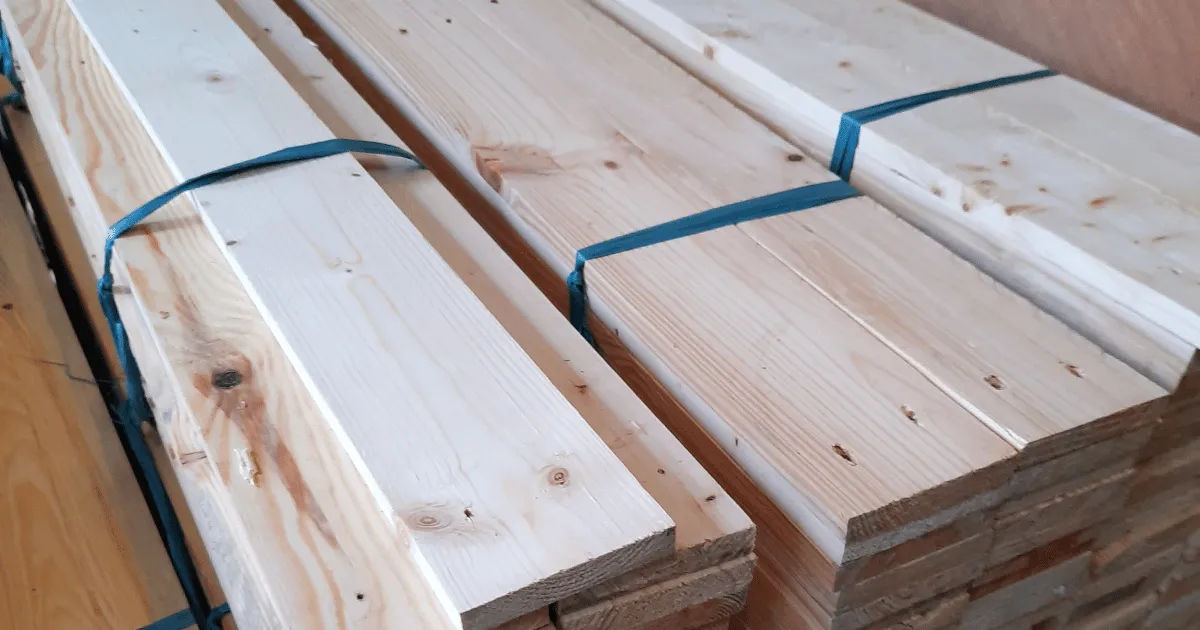
A Board Foot Calculator helps estimate the amount of wood you need and the cost of your project. Many people wonder if this tool works only for hardwood or if it can also be used for softwood.The simple answer is yes.
A Board Foot Calculator works for softwood just as effectively as it does for hardwood. However, there are a few important differences in grading, pricing, moisture content, and how softwood is sold that every buyer should understand. This guide explains everything you need to know in simple language.
A Board Foot
Before discussing softwood, it is important to understand what a board foot actually means.
A board foot is a unit of volume used to measure lumber. One board foot equals a piece of wood that measures:
-
1 inch thick
-
12 inches wide
-
12 inches long
This equals 144 cubic inches of wood.
Regardless of the wood species, the measurement remains the same. Whether you purchase pine, cedar, oak, walnut, maple, or spruce, one board foot always represents the same volume.
What Is a Board Foot Calculator?
A Board Foot Calculator is a simple tool that determines how many board feet are contained in a piece of lumber. Instead of calculating everything manually, the calculator provides quick and accurate results.
The standard formula is:
Board Feet = (Thickness × Width × Length) ÷ 144
Thickness and width are measured in inches, while length is measured in inches or converted appropriately from feet.
Using a calculator reduces errors and saves time, especially when working with multiple boards.
What Is Softwood?
Softwood comes from conifer trees, which usually have needles instead of broad leaves. These trees grow faster than hardwood trees, making softwood more affordable and widely available.
Common softwoods include:
-
Pine
-
Cedar
-
Fir
-
Spruce
-
Hemlock
-
Redwood
-
Cypress
Despite the name, not every softwood is actually soft. Some softwoods are harder than certain hardwood species.
Does a Board Foot Calculator Work for Softwood?
Yes, a Board Foot Calculator works perfectly for softwood because board foot measurement is based entirely on volume rather than wood species.
The calculator measures:
-
Thickness
-
Width
-
Length
It does not consider:
-
Wood hardness
-
Tree type
-
Grain pattern
-
Color
-
Density
Since the calculation depends only on dimensions, it produces accurate measurements for both hardwood and softwood.
Why People Think Softwood Is Different
Many people become confused because softwood is often sold differently than hardwood.
Hardwood suppliers frequently price wood by the board foot.
Softwood suppliers often sell lumber by:
-
Linear feet
-
Individual boards
-
Bundles
-
Standard construction sizes
Although the selling method differs, the board foot measurement remains completely valid.
Common Uses of Softwood
Softwood is one of the most commonly used building materials worldwide.
Typical applications include:
House Framing
Most residential homes use softwood because it is lightweight, strong, and affordable.
Roofing
Roof trusses and rafters are commonly made from pine or fir.
Deck Construction
Pressure-treated pine is widely used for outdoor decks.
Fencing
Many fences use cedar or pine because they are cost-effective.
Furniture
Softwood is popular for rustic furniture, farmhouse tables, shelving, and cabinets.
Interior Trim
Door frames, molding, baseboards, and window trim often use softwood.
In every one of these applications, a Board Foot Calculator can accurately determine lumber volume.
Example Calculation
Suppose you have a pine board measuring:
-
Thickness: 2 inches
-
Width: 8 inches
-
Length: 10 feet
First convert length into inches:
10 × 12 = 120 inches
Now calculate:
Board Feet = (2 × 8 × 120) ÷ 144
Board Feet = 13.33
This means the board contains approximately 13.33 board feet.
The same calculation applies whether the board is pine, oak, cedar, or maple.
Why Contractors Use a Board Foot Calculator
Professional builders rely on a Board Foot Calculator because it offers many advantages.
Accurate Material Estimates
It prevents ordering too much or too little lumber.
Budget Planning
Knowing the total board footage helps estimate project costs.
Faster Purchasing
Contractors can quickly compare suppliers.
Reduced Waste
Accurate calculations minimize leftover material.
Better Inventory Management
Woodshops can track available lumber more efficiently.
Softwood Grades Matter
Although board foot calculations stay the same, lumber grades affect quality.
Softwood is usually graded based on:
-
Knots
-
Straightness
-
Cracks
-
Warp
-
Strength
Higher grades cost more because they contain fewer defects.
The Board Foot Calculator measures volume only. It does not evaluate lumber quality.
Actual Size vs Nominal Size
This is one of the biggest sources of confusion.
A board labeled as 2×4 does not actually measure 2 inches by 4 inches.
Its finished dimensions are approximately:
1.5 inches × 3.5 inches
When calculating board feet, many professionals use the actual dimensions rather than the nominal size for greater accuracy.
Moisture Content and Softwood
Freshly cut softwood contains a large amount of moisture.
As it dries:
-
Width may shrink
-
Thickness may shrink
-
Weight decreases
A Board Foot Calculator measures the lumber dimensions at the time of measurement.
Moisture affects wood performance but does not change how the calculation works.
Is Softwood Less Valuable?
Not necessarily.
Some softwoods are inexpensive, while others command premium prices.
Examples include:
-
Pine is generally affordable.
-
Cedar costs more because it naturally resists insects.
-
Redwood is considered a premium softwood.
-
Cypress also has excellent durability.
The Board Foot Calculator measures all of them equally.
Advantages of Using Softwood
Softwood offers several important benefits.
Lower Cost
Softwood usually costs less than hardwood because the trees grow more quickly.
Easy to Work With
Softwood cuts, drills, and sands easily.
Lightweight
Its lower density makes transportation and installation easier.
Widely Available
Softwood can be found at nearly every lumber yard.
Sustainable
Fast-growing forests make many softwood species renewable resources.
Limitations of Softwood
Although useful, softwood has some drawbacks.
It may dent more easily than hardwood.
Some species require pressure treatment before outdoor use.
Softwood often has more knots than premium hardwood.
Certain species shrink noticeably during drying.
These factors influence project selection but do not affect board foot calculations.
Buying Softwood by Board Foot
Not every lumber supplier prices softwood by the board foot.
Some stores sell by:
-
Piece
-
Bundle
-
Linear foot
-
Cubic meter
However, converting the lumber into board feet makes price comparisons much easier.
This allows buyers to compare multiple suppliers fairly.
Manual Calculation vs Calculator
While the formula is straightforward, manual calculations become difficult when purchasing dozens of boards.
A Board Foot Calculator provides:
-
Faster calculations
-
Better accuracy
-
Consistent results
-
Time savings
This is why contractors and woodworkers frequently rely on calculators.
Common Mistakes When Measuring Softwood
Several mistakes can produce inaccurate results.
Using Nominal Dimensions
Always verify whether actual dimensions should be used.
Forgetting Unit Conversion
Length should be converted correctly before applying the formula.
Measuring Uneven Boards
Warped or rough lumber may require careful measuring.
Ignoring Planing
Finished boards can be smaller than rough-cut lumber.
Double-checking measurements improves accuracy.
Softwood Projects That Benefit from a Board Foot Calculator
Many woodworking projects require careful lumber estimation.
Examples include:
-
Garden beds
-
Outdoor benches
-
Storage shelves
-
Barn construction
-
Decks
-
Gazebos
-
Pergolas
-
Wood sheds
-
Tree houses
-
Workbenches
Using a Board Foot Calculator helps estimate material needs before purchasing lumber.
Can Beginners Use a Board Foot Calculator?
Absolutely.
Modern calculators are designed for everyone.
Even if you have never purchased lumber before, entering the thickness, width, and length gives immediate results.
Beginners benefit because they avoid costly purchasing mistakes.
Hardwood vs Softwood Calculations
Many people expect different formulas.
In reality, there is no difference.
Both use identical measurements.
The only differences involve:
-
Price
-
Density
-
Strength
-
Appearance
-
Grain pattern
-
Applications
The Board Foot Calculator treats every species the same because it measures volume alone.
Tips for Accurate Softwood Measurement
Follow these recommendations before purchasing lumber.
Measure Carefully
Use a reliable tape measure.
Check Actual Dimensions
Finished boards may differ from labeled sizes.
Count Every Board
Calculate the volume for each board individually if sizes vary.
Include Extra Material
Purchase an additional 5% to 10% for waste, cutting, and mistakes.
Compare Prices
Knowing total board footage helps determine which supplier offers the best value.
Frequently Asked Questions
Does a Board Foot Calculator work for pine?
Yes. Pine is one of the most common softwoods, and calculations are identical to hardwood.
Can cedar be measured in board feet?
Yes. Cedar volume is commonly measured in board feet, especially at specialty lumber yards.
Does wood density affect calculations?
No. Density changes weight but not board foot volume.
Is pressure-treated lumber measured the same way?
Yes. Pressure treatment does not change the board foot formula.
Can construction lumber be measured in board feet?
Yes. Although construction lumber is often sold by piece, it can still be converted into board feet.
Conclusion
A Board Foot Calculator is an excellent tool for measuring both hardwood and softwood lumber. The calculation is based entirely on the dimensions of the board, making it accurate regardless of the wood species. Whether you are working with pine, cedar, spruce, fir, redwood, or cypress, the same formula applies.
Understanding board feet helps you estimate costs, reduce waste, compare suppliers, and purchase the right amount of lumber for any project. While softwood may be sold differently in some stores, converting it into board feet provides a consistent way to measure volume and value.
Whether you are a beginner tackling your first DIY project or an experienced contractor managing large construction jobs, using a Board Foot Calculator simplifies planning and improves accuracy. By learning how board feet work and applying the correct measurements, you can make smarter buying decisions, stay within budget, and complete your woodworking or construction project with confidence.