
Traveling through Serbia is an exciting experience filled with historic cities, natural landscapes, cultural landmarks, and vibrant local traditions.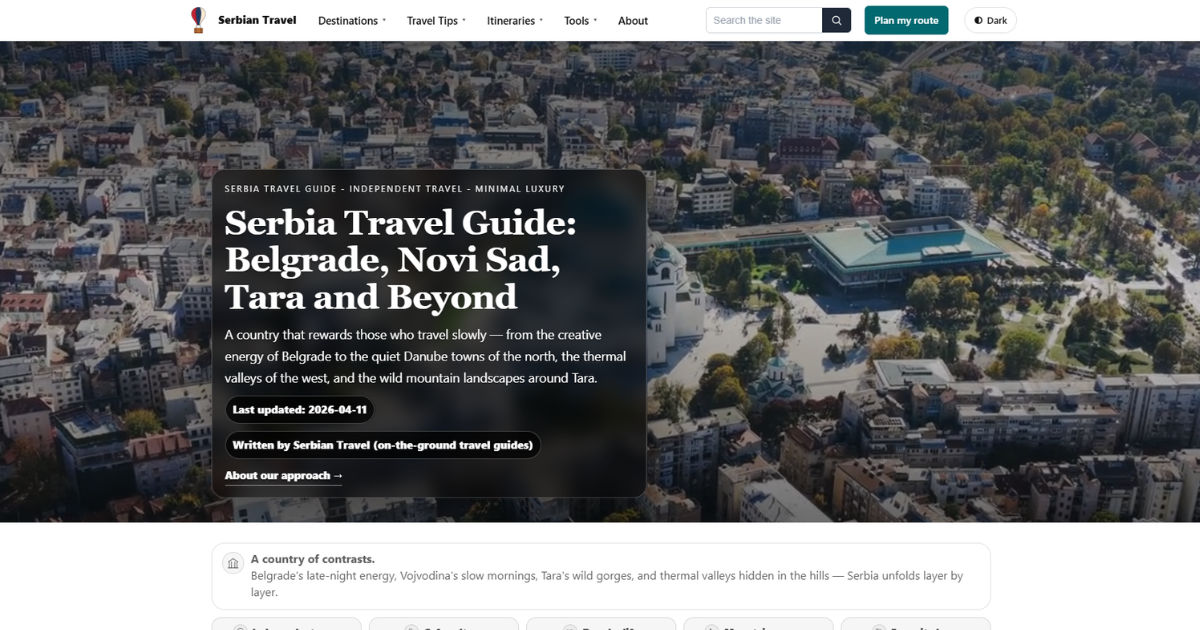
One of the reasons many visitors enjoy exploring the country is the well-connected network of roads, railways, rivers, and regional transport systems that make moving between destinations relatively easy. Understanding how major routes connect the country's top attractions can help travelers create a more enjoyable and efficient itinerary.
For anyone planning a trip, Serbian Travel routes provide access to ancient fortresses, national parks, charming villages, mountain resorts, and lively urban centers. Whether traveling by car, bus, train, or organized tour, visitors can discover a wide variety of attractions connected by reliable transportation networks.
Serbia's Transportation Network
Serbia sits in a strategic location in Southeast Europe. It serves as a crossroads between Central Europe, Eastern Europe, and the Balkans. Because of this position, transportation infrastructure has developed around major corridors that connect cities and tourist destinations.
The country's transportation system includes:
-
Highways and motorways
-
Regional roads
-
Rail connections
-
River transportation
-
Domestic and international bus routes
-
Airports
These options make Serbian Travel convenient for both domestic and international visitors.
Major Travel Corridors in Serbia
Several important corridors form the backbone of transportation throughout the country.
Corridor X
Corridor X is the most important transportation route in Serbia. It runs north to south and connects major cities such as:
-
Subotica
-
Novi Sad
-
Belgrade
-
Niš
-
Vranje
This route serves as the primary connection for many popular tourism destinations.
Danube Corridor
The Danube River creates another important travel route. Many historical sites, cultural attractions, and scenic locations are situated along this famous river.
Travelers following this route can experience some of the most beautiful parts of Serbian Travel.
Western Serbia Route
Western Serbia contains mountains, rivers, and traditional villages. Road networks connect travelers to natural attractions and adventure destinations.
Eastern Serbia Route
Eastern Serbia offers unique archaeological sites, caves, and natural wonders. Regional roads connect visitors to areas that are often less crowded but equally fascinating.
Belgrade: The Central Hub
Almost every major route in Serbia leads to Belgrade. The capital city serves as the country's primary transportation center.
Why Belgrade Is Important
Belgrade connects:
-
Northern Serbia
-
Southern Serbia
-
Eastern Serbia
-
Western Serbia
Most bus routes, train services, and highway systems either begin or pass through the city.
Attractions in Belgrade
Visitors often start their Serbian Travel journey here because of attractions such as:
-
Kalemegdan Fortress
-
Knez Mihailova Street
-
Saint Sava Temple
-
Skadarlija District
-
Ada Ciganlija
The city offers a combination of history, culture, entertainment, and modern conveniences.
Route from Belgrade to Novi Sad
One of the most popular travel routes in Serbia connects Belgrade and Novi Sad.
Distance and Accessibility
The journey takes approximately one hour by car or train.
This route follows modern highway infrastructure, making travel fast and comfortable.
Attractions Along the Route
Travelers can stop at:
Sremski Karlovci
This historic town is famous for:
-
Baroque architecture
-
Wine production
-
Cultural heritage
Fruška Gora National Park
Nature lovers can enjoy:
-
Hiking trails
-
Monasteries
-
Scenic viewpoints
-
Wildlife observation
Novi Sad Highlights
Novi Sad is one of the most visited cities in Serbian Travel.
Major attractions include:
-
Petrovaradin Fortress
-
Danube Park
-
Liberty Square
-
Museums and galleries
The city combines historical charm with a youthful atmosphere.
Connecting to Northern Serbia
Northern Serbia is characterized by fertile plains and multicultural influences.
Subotica Route
The highway north from Novi Sad leads directly to Subotica.
Attractions in Subotica
Visitors can explore:
-
Art Nouveau architecture
-
Historic squares
-
Local markets
Palić Lake
Located near Subotica, Palić Lake is a popular recreational destination featuring:
-
Lakeside promenades
-
Parks
-
Restaurants
-
Cultural events
This route demonstrates how Serbian Travel connects urban attractions with natural beauty.
The Belgrade to Niš Route
Traveling south from Belgrade brings visitors to Niš, one of Serbia's oldest cities.
Highway Connection
Modern motorways make this route highly accessible.
The drive typically takes around three hours.
Stops Along the Way
Several destinations are worth visiting.
Smederevo
Known for:
-
Smederevo Fortress
-
Danube views
-
Historic significance
Jagodina
Popular attractions include:
-
Museums
-
Aquaparks
-
Family-friendly activities
Niš Attractions
Niš offers rich historical experiences.
Important sites include:
-
Niš Fortress
-
Skull Tower
-
Archaeological remains
-
Historic city center
Many travelers consider this route essential for understanding Serbian Travel history and culture.
Exploring Eastern Serbia
Eastern Serbia contains some of the country's most impressive natural and archaeological attractions.
Route from Belgrade to Golubac
The road follows the Danube River and provides spectacular scenery.
Golubac Fortress
This medieval fortress sits dramatically on the riverbank and attracts thousands of visitors each year.
Iron Gates Gorge
One of Europe's largest river gorges, the Iron Gates region offers:
-
Scenic drives
-
Boat tours
-
Wildlife viewing
-
Photography opportunities
Lepenski Vir
This archaeological site reveals evidence of one of Europe's earliest settlements.
Travelers interested in ancient history often include it in their Serbian Travel itinerary.
Connecting to Western Serbia
Western Serbia is famous for mountains, rivers, and traditional culture.
Route Through Valjevo
The road from Belgrade passes through Valjevo before reaching many mountain destinations.
Valjevo Attractions
Visitors enjoy:
-
Historic architecture
-
Museums
-
Cultural events
Tara National Park
One of Serbia's most beautiful natural destinations.
Highlights include:
-
Dense forests
-
Hiking trails
-
Wildlife
-
Scenic viewpoints
Drina River Region
The Drina River area attracts:
-
Nature enthusiasts
-
Adventure travelers
-
Photographers
This region showcases the natural side of Serbian Travel.
The Zlatibor Connection
Zlatibor is one of Serbia's leading mountain tourism destinations.
Easy Road Access
Well-maintained roads connect Zlatibor to Belgrade and other major cities.
Attractions in Zlatibor
Visitors can experience:
-
Mountain landscapes
-
Outdoor activities
-
Traditional cuisine
-
Family-friendly attractions
Gold Gondola
The Gold Gondola offers one of the longest panoramic gondola rides in Europe.
It has become a major attraction for travelers.
Route to Mokra Gora
Mokra Gora is another highlight of Western Serbia.
Scenic Journey
The route passes through picturesque mountain landscapes.
Šargan Eight Railway
This historic railway offers one of the most memorable experiences in Serbian Travel.
Visitors enjoy:
-
Vintage trains
-
Scenic views
-
Historic engineering
Drvengrad
Also known as Wooden Town, this unique village attracts travelers interested in architecture and culture.
Southern Serbia Routes
Southern Serbia offers a different perspective on the country.
Niš as a Gateway
Most southern routes begin in Niš.
Vranje
This historic city is known for:
-
Traditional culture
-
Architecture
-
Local cuisine
Pčinja Region
The region features:
-
Monasteries
-
Natural landscapes
-
Peaceful rural settings
Many travelers seeking authentic experiences include these destinations in their Serbian Travel plans.
National Parks and Scenic Routes
Serbia's national parks are connected through a network of roads that allow easy access.
Fruška Gora National Park
Located near Novi Sad.
Tara National Park
Located in Western Serbia.
Kopaonik National Park
Located in Central Serbia.
Đerdap National Park
Located along the Danube River.
These parks are connected by routes that allow travelers to combine nature and culture in one journey.
River Routes and Tourism
Rivers play a major role in Serbia's tourism network.
Danube River
The Danube connects numerous attractions, including:
-
Fortresses
-
Historic towns
-
Archaeological sites
Sava River
The Sava provides access to:
-
Belgrade waterfront areas
-
Recreational facilities
-
Scenic viewpoints
River tourism enhances the overall Serbian Travel experience.
Rail Travel Connections
Train travel remains an attractive option for many visitors.
Modern Rail Improvements
Recent investments have improved several railway routes.
Popular Rail Journeys
Common rail connections include:
-
Belgrade to Novi Sad
-
Belgrade to Subotica
-
Regional routes across the country
Train travel allows visitors to enjoy scenic landscapes while moving between attractions.
Bus Networks and Accessibility
Buses are often the most extensive transportation option in Serbia.
Advantages of Bus Travel
Benefits include:
-
Frequent departures
-
Affordable fares
-
Extensive coverage
-
Access to smaller towns
Many remote destinations are easiest to reach by bus.
As a result, bus transportation remains a key component of Serbian Travel.
Planning an Efficient Travel Route
Creating a logical route helps travelers maximize their time.
Suggested Seven-Day Itinerary
Day 1-2: Belgrade
Explore major attractions and cultural sites.
Day 3: Novi Sad
Visit Petrovaradin Fortress and nearby attractions.
Day 4: Fruška Gora
Experience monasteries and natural scenery.
Day 5: Zlatibor
Enjoy mountain landscapes and local traditions.
Day 6: Mokra Gora
Ride the Šargan Eight Railway.
Day 7: Return via Western Serbia
Explore scenic villages and regional attractions.
This route demonstrates how Serbian Travel networks connect diverse destinations efficiently.
Benefits of Well-Connected Travel Routes
Travel routes in Serbia provide several advantages.
Easier Access
Major attractions are accessible through modern transportation infrastructure.
Flexible Itineraries
Travelers can choose:
-
Road trips
-
Train journeys
-
Bus travel
-
Organized tours
Cultural Diversity
Connected routes allow visitors to experience:
-
Urban culture
-
Rural traditions
-
Historical sites
-
Natural landscapes
Cost Efficiency
Good transportation links help reduce travel expenses and improve convenience.
These factors make Serbian Travel appealing to a wide range of visitors.
Tips for Traveling Between Attractions
Use Belgrade as a Base
Belgrade provides excellent connections to all regions.
Allow Time for Scenic Stops
Many attractions are located between major cities.
Consider Seasonal Conditions
Mountain routes may require extra planning during winter.
Mix Transportation Types
Combining buses, trains, and rental cars often creates the best experience.
Explore Beyond Major Cities
Smaller towns frequently provide some of the most memorable experiences in Serbian Travel.
Future Developments in Serbia's Travel Infrastructure
Serbia continues to invest in transportation improvements.
Highway Expansion
New highways improve travel times between regions.
Railway Modernization
Faster trains are increasing connectivity.
Tourism Growth
Enhanced transportation supports the growing tourism industry.
Regional Cooperation
Cross-border routes strengthen Serbia's role as a travel hub in Southeast Europe.
These developments will further improve the quality of Serbian Travel experiences for future visitors.
Conclusion
Serbia's transportation network plays a crucial role in connecting the country's most impressive attractions. From the bustling streets of Belgrade to the mountain landscapes of Zlatibor, the historic fortresses along the Danube, and the scenic villages of Western Serbia, travelers can move efficiently between destinations using highways, railways, buses, and river routes.
The country's strategic location and ongoing infrastructure improvements make exploration easier than ever. Well-connected routes allow visitors to experience Serbia's diverse culture, rich history, stunning natural scenery, and welcoming communities without excessive travel challenges. Whether following the Danube corridor, exploring national parks, or journeying through historic cities, travelers benefit from a transportation system that links the country's highlights into one rewarding adventure.
For anyone planning a memorable journey, understanding how Serbian Travel routes connect major attractions is the key to creating an efficient, enjoyable, and unforgettable experience throughout Serbia.