
Moisture Absorbers are simple yet powerful tools designed to control excess humidity in indoor spaces. From homes and offices to cars and storage areas, Moisture Absorbers help maintain a dry, comfortable, and healthy environment.
Excess moisture in the air can lead to mold growth, bad odors, damaged furniture, and even health issues. Understanding how Moisture Absorbers work and why they are effective can help you make smarter choices for humidity control.
This comprehensive guide explains the science behind humidity, how Moisture Absorbers function, the different types available, and how to use them correctly. The information is written in clear, easy language for a 12th-grade audience, with short paragraphs for better readability.
Humidity and Moisture in the Air
Humidity refers to the amount of water vapor present in the air. Warm air can hold more moisture than cold air. When humidity levels rise too high, the air feels damp and uncomfortable. This moisture can settle on walls, ceilings, clothes, and furniture.
High humidity is common in bathrooms, kitchens, basements, laundry rooms, and areas with poor ventilation. In coastal or rainy climates, humidity can remain high throughout the year. Moisture Absorbers are designed to reduce this excess water vapor before it causes problems.
When indoor humidity stays above 60%, it creates the perfect environment for mold, mildew, and dust mites. These issues not only damage property but can also trigger allergies and breathing problems. Moisture Absorbers play an important role in preventing these risks.
What Are Moisture Absorbers?
Moisture Absorbers are products that remove excess moisture from the air using chemical or physical processes. They do not require electricity and are usually easy to place in problem areas. Most Moisture Absorbers come in containers, bags, or packets that slowly collect water over time.
The main purpose of Moisture Absorbers is to lower humidity levels in enclosed or semi-enclosed spaces. By pulling moisture out of the air, Moisture Absorbers help keep environments dry and fresh.
These products are often used as an alternative or supplement to electric dehumidifiers, especially in small spaces. Moisture Absorbers are quiet, affordable, and low-maintenance.
The Science Behind How Moisture Absorbers Work
Hygroscopic Materials Explained
Most Moisture Absorbers contain substances called hygroscopic materials. Hygroscopic materials have a natural ability to attract and hold water molecules from the surrounding air. This process is known as absorption or adsorption.
Common hygroscopic materials used in Moisture Absorbers include calcium chloride, silica gel, activated charcoal, and certain types of clay. These materials are chosen because they are highly effective at pulling moisture from the air.
When humid air comes into contact with the hygroscopic material, water vapor sticks to the surface or is drawn inside the material. Over time, the collected moisture either turns into liquid or remains trapped inside.
Absorption vs Adsorption
It is important to understand the difference between absorption and adsorption. Absorption occurs when moisture is taken inside a material and becomes part of it. Adsorption happens when moisture sticks to the surface of a material.
Many Moisture Absorbers use absorption, especially those containing calcium chloride. As moisture is absorbed, it turns into a liquid brine that collects in a container.
Other Moisture Absorbers, such as silica gel packets, use adsorption. Moisture sticks to the surface of tiny pores in the material. Both methods are effective for reducing humidity.
Step-by-Step Process of How Moisture Absorbers Reduce Humidity
Step 1: Exposure to Humid Air
Moisture Absorbers are placed in areas with excess humidity. As air naturally moves around the room, moist air comes into contact with the absorber.
There is no need for fans or electricity. The process works continuously as long as the Moisture Absorbers are exposed to air.
Step 2: Attraction of Water Molecules
The hygroscopic material inside Moisture Absorbers attracts water molecules from the air. This attraction happens at a molecular level and does not require human intervention.
The higher the humidity level, the faster Moisture Absorbers work. In very damp areas, you may notice water collecting more quickly.
Step 3: Moisture Collection and Storage
As water vapor is pulled from the air, it is stored inside the Moisture Absorbers. Some products allow the water to drip into a reservoir, while others trap it within the material.
This collected moisture is safely contained and separated from the surrounding environment. As a result, the air becomes drier and more comfortable.
Step 4: Reduction of Overall Humidity Levels
Over time, Moisture Absorbers lower the relative humidity in the space. This helps prevent condensation, mold growth, and unpleasant smells.
The process continues until the hygroscopic material becomes saturated. Once full, Moisture Absorbers must be replaced or emptied to remain effective.
Types of Moisture Absorbers and How They Work
Calcium Chloride Moisture Absorbers
Calcium chloride is one of the most common ingredients in Moisture Absorbers. It is extremely hygroscopic and works well in high-humidity environments.
These Moisture Absorbers pull moisture from the air and dissolve into a liquid solution. The liquid collects in a lower chamber, making it easy to see when the product is full.
Calcium chloride Moisture Absorbers are ideal for basements, closets, and storage rooms.
Silica Gel Moisture Absorbers
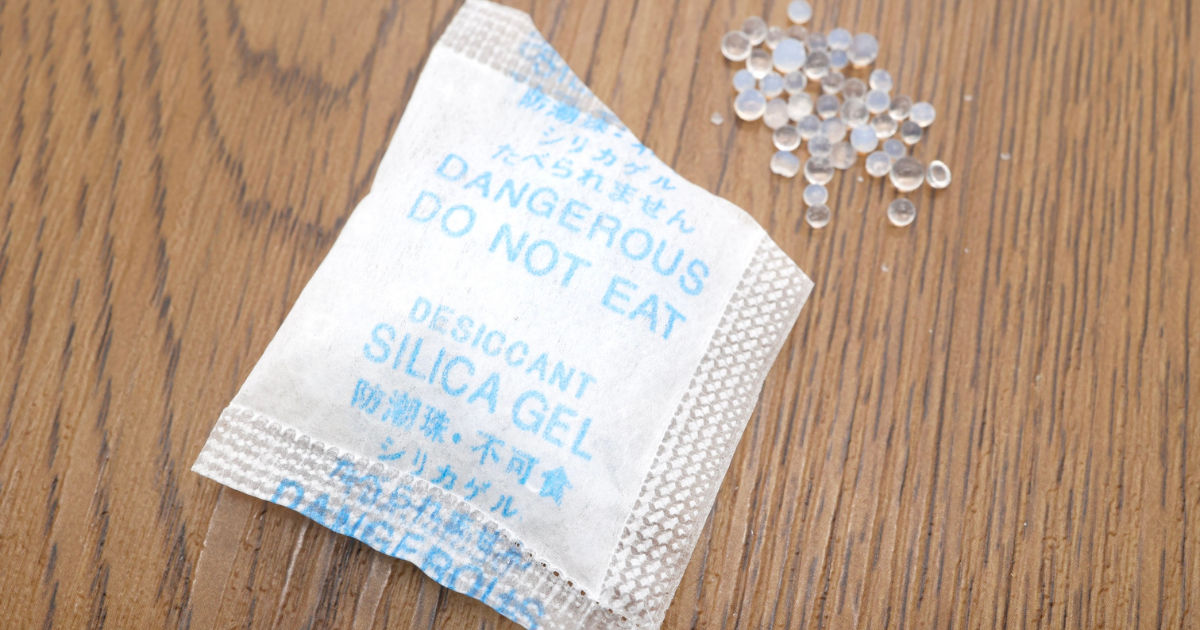
Silica gel Moisture Absorbers are often found in small packets. They are commonly used to protect electronics, shoes, and documents.
Silica gel works through adsorption. The tiny pores in the material trap moisture on their surface. These Moisture Absorbers are best for small, enclosed spaces.
Some silica gel Moisture Absorbers can be dried and reused, making them a convenient option.
Activated Charcoal Moisture Absorbers
Activated charcoal Moisture Absorbers are known for both moisture control and odor removal. While they are not as strong as calcium chloride, they are effective in mildly humid areas.
These Moisture Absorbers trap moisture and odors within their porous structure. They are commonly used in refrigerators, bathrooms, and cars.
Clay-Based Moisture Absorbers
Certain natural clays are also used in Moisture Absorbers. These clays absorb moisture gradually and are often eco-friendly.
Clay-based Moisture Absorbers are suitable for moderate humidity and are safe to use around children and pets.
Where Moisture Absorbers Are Most Effective
Moisture Absorbers work best in enclosed or poorly ventilated spaces. Common areas include closets, cabinets, bathrooms, basements, attics, and laundry rooms.
Cars, boats, and RVs also benefit from Moisture Absorbers, especially during long periods of storage. In these spaces, moisture can build up quickly and cause damage.
Moisture Absorbers are also useful in kitchens and pantries, where humidity from cooking can lead to mold growth.
Benefits of Using Moisture Absorbers
One major benefit of Moisture Absorbers is their simplicity. They require no installation, no power, and minimal maintenance.
Moisture Absorbers help prevent mold, mildew, and musty odors. This protects walls, furniture, clothes, and stored items from damage.
Another benefit is improved air quality. By reducing humidity, Moisture Absorbers make indoor air more comfortable and healthier to breathe.
They are also cost-effective compared to electric dehumidifiers, especially for small spaces.
Moisture Absorbers vs Dehumidifiers
Moisture Absorbers and dehumidifiers both reduce humidity, but they work differently. Dehumidifiers use electricity and fans to pull air through a cooling system.
Moisture Absorbers rely on chemical reactions and natural airflow. They are quieter and use less energy because they require none.
For large rooms or whole houses, dehumidifiers are more powerful. For small spaces, Moisture Absorbers are often the better choice.
Many people use Moisture Absorbers alongside dehumidifiers for complete humidity control.
How Long Do Moisture Absorbers Take to Work?
The speed at which Moisture Absorbers work depends on humidity levels, room size, and the type of product used. In very humid conditions, results can be noticeable within a few days.
In moderate humidity, Moisture Absorbers may take one to two weeks to show visible moisture collection. Their effectiveness increases over time.
Regular replacement ensures consistent performance and keeps humidity under control.
Proper Placement for Best Results
To get the most out of Moisture Absorbers, placement is important. They should be placed where air can circulate freely around them.
Avoid placing Moisture Absorbers directly against walls or inside sealed containers. This limits airflow and reduces efficiency.
In closets or cabinets, place Moisture Absorbers on the floor or a shelf near the center of the space.
Safety and Maintenance of Moisture Absorbers
Most Moisture Absorbers are safe to use when handled correctly. However, some contain chemicals that should not be ingested or touched directly.
Always keep Moisture Absorbers out of reach of children and pets. Follow the manufacturer’s instructions for disposal and replacement.
Check Moisture Absorbers regularly and replace them when they are full or no longer effective.
Environmental Impact of Moisture Absorbers
Many modern Moisture Absorbers are designed with environmental safety in mind. Some use biodegradable materials or recyclable containers.
Reusable Moisture Absorbers reduce waste and are a more sustainable option. Choosing eco-friendly products helps reduce environmental impact.
Proper disposal of used Moisture Absorbers is important to avoid chemical leaks.
Common Myths About Moisture Absorbers
Some people believe Moisture Absorbers can dry out an entire house. In reality, they are best for small to medium spaces.
Another myth is that Moisture Absorbers work instantly. While effective, they need time to collect moisture.
Understanding these limitations helps set realistic expectations and improves results.
Tips for Maximizing the Effectiveness of Moisture Absorbers
Use multiple Moisture Absorbers in larger spaces. This increases moisture removal and speeds up results.
Combine Moisture Absorbers with good ventilation. Opening windows occasionally helps balance humidity levels.
Monitor humidity using a hygrometer to know when replacements are needed.
Conclusion
Moisture Absorbers reduce humidity by using hygroscopic materials that attract and capture water vapor from the air. Through absorption or adsorption, these products gradually lower moisture levels in enclosed spaces. This simple process helps prevent mold, odors, and damage caused by excess humidity.
Moisture Absorbers are affordable, easy to use, and energy-free solutions for everyday moisture problems. While they may not replace powerful dehumidifiers in large areas, they are ideal for closets, basements, cars, and storage spaces. With proper placement and regular maintenance, Moisture Absorbers can significantly improve indoor comfort and air quality.
By understanding how Moisture Absorbers work and using them correctly, anyone can take effective control of indoor humidity and protect their living spaces from moisture-related issues.