
Clearing land can be a challenging yet rewarding project, whether you are preparing for construction, landscaping, or creating a new garden space. A crucial part of this process is tree and stump removal, which ensures the area is free from obstructions and safe for your intended use.
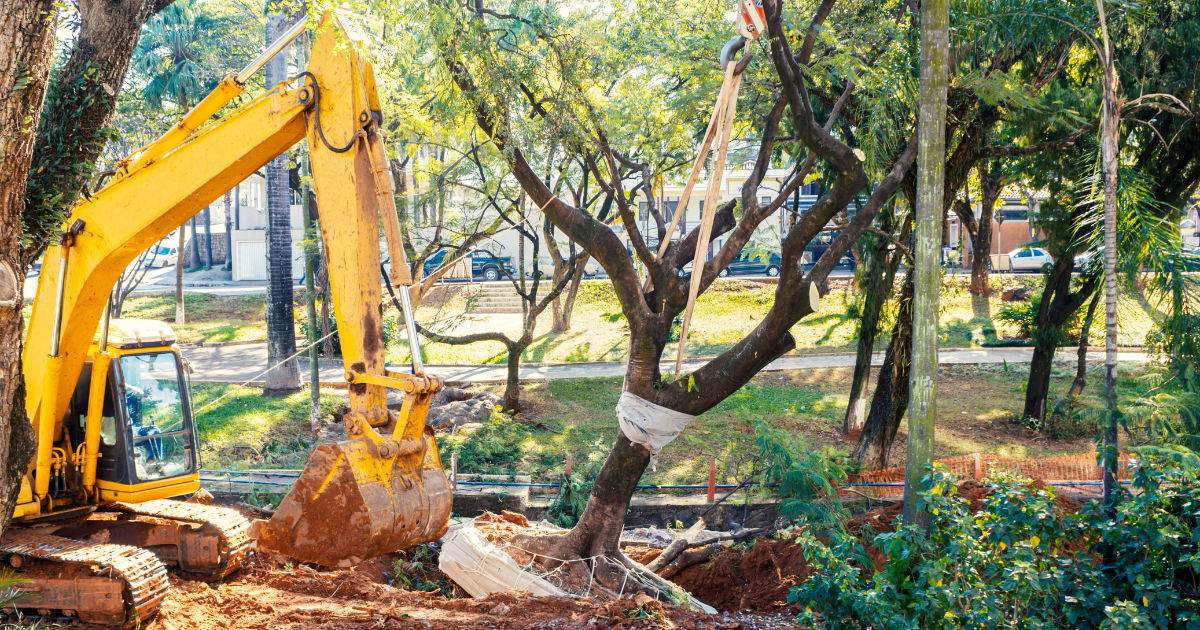
Removing trees and stumps requires careful planning, the right tools, and knowledge of safe techniques to avoid damage to surrounding property or injury.
In this guide, we will walk you through everything you need to know about clearing land effectively, with an emphasis on tree and stump removal.
Tree and Stump Removal
Tree and stump removal is more than just cutting down trees. It involves safely felling trees, removing the trunk, and grinding or extracting the stump to prevent regrowth. Stumps left behind can be hazardous, attract pests, or interfere with landscaping projects. Knowing the difference between methods and when to use them is essential for efficiency and safety.
Tree removal can be classified into two main types: small-scale and large-scale. Small-scale tree removal involves residential properties with a few trees, while large-scale operations might cover farmland or commercial development. Both require planning and consideration of environmental factors such as soil type, surrounding vegetation, and potential wildlife habitats.
Assessing the Land
Before starting any tree and stump removal, assessing the land is critical. This includes:
-
Surveying the area: Walk through the land to identify the number and size of trees, the location of stumps, and any obstacles such as rocks or utility lines.
-
Checking regulations: Some areas require permits for tree removal, especially if the trees are protected species. Contact local authorities to ensure compliance.
-
Evaluating soil and terrain: Sloped areas, wet soil, or rocky terrain may require specialized equipment or professional help.
Proper assessment ensures you choose the right tools and methods and prevents unnecessary damage.
Tools and Equipment Needed
The success of tree and stump removal largely depends on having the right tools. For a safe and efficient process, consider the following:
-
Chainsaw: Essential for cutting down large trees and branches.
-
Hand saw or pruning saw: Suitable for small trees and detailed trimming.
-
Axe or hatchet: Useful for chopping roots and clearing smaller trees.
-
Stump grinder: Efficient for removing stumps without digging.
-
Shovel and mattock: Ideal for manually removing stumps and roots.
-
Rope and pulley system: Helps control the direction of falling trees.
-
Protective gear: Gloves, helmet, goggles, and steel-toed boots for safety.
Choosing the right combination of manual tools and machinery depends on the scale of your project.
Preparing for Tree Removal
Before cutting down a tree, preparation is crucial. Here’s how to do it safely:
-
Clear the area: Remove obstacles and debris from the fall zone. Ensure no one is within the tree’s path.
-
Determine fall direction: Choose a direction where the tree can safely fall without damaging structures.
-
Inspect the tree: Check for dead branches, cracks, or leaning that may affect the tree’s fall.
-
Create an escape path: Always have a clear exit route in case the tree falls unexpectedly.
Preparation reduces risks and makes the removal process more predictable.
Methods for Tree Removal
Several methods exist for tree and stump removal, depending on tree size, location, and available equipment:
-
Manual Cutting
Suitable for small trees, this method involves using a handsaw or chainsaw to cut the tree into manageable sections. Always cut in a controlled manner and avoid standing directly under the tree. -
Mechanical Felling
For large trees, professional services often use heavy equipment like cranes or mechanical saws. This method is faster and safer for big projects but requires expertise. -
Chemical Treatment
Sometimes, tree removal can involve using chemicals to kill a tree gradually. This method is slower but can reduce the risk of falling hazards in difficult-to-reach areas.
Each method has pros and cons, and choosing the right approach depends on your specific project needs.
Stump Removal Techniques
After the tree is down, the stump remains, and it must be removed to clear the land completely. Here are the most common stump removal methods:
-
Manual Removal
This involves digging around the stump to expose the roots and using an axe or saw to cut them. While labor-intensive, it is effective for small stumps and avoids chemicals. -
Stump Grinding
A stump grinder mechanically chips away the stump until it is below ground level. This is a popular method for residential projects because it is faster and leaves the soil ready for landscaping. -
Chemical Stump Removal
Special chemicals accelerate decomposition of the stump. While slower, it requires less physical labor. It’s ideal for homeowners who can wait several weeks or months before replanting. -
Burning
In some areas, burning a stump is allowed. Drill holes into the stump, fill with combustible material, and ignite. Only use this method if it is legally permitted and safe. -
Natural Decomposition
Covering the stump with soil and mulch accelerates natural decay over time. This method takes months or years but is environmentally friendly.
Safety Tips for Tree and Stump Removal
Safety cannot be overstated in tree and stump removal. Here are essential safety tips:
-
Wear protective gear: Helmets, gloves, goggles, and boots are a must.
-
Check equipment: Ensure chainsaws and stump grinders are in good working condition.
-
Avoid solo work on large trees: Always have a partner in case of emergencies.
-
Be mindful of power lines: Keep a safe distance to prevent electrocution.
-
Inspect the tree and surrounding area: Identify hazards such as weak branches or uneven terrain.
-
Follow manufacturer guidelines: Especially for machinery like chainsaws and stump grinders.
Being cautious prevents injuries and property damage during the removal process.
Environmental Considerations
Tree and stump removal can impact the environment if not done responsibly. Consider the following:
-
Tree disposal: Properly dispose of cut trees and branches. Many areas allow composting or recycling as mulch.
-
Soil erosion: Large tree removal may expose soil to erosion. Plan to stabilize the land with grass or cover crops.
-
Wildlife habitats: Trees often provide shelter for birds and animals. Remove trees thoughtfully and consider relocating wildlife if possible.
-
Chemical use: Avoid excessive chemicals that can harm soil health.
Responsible removal ensures your land remains productive and safe for future use.
Cost Considerations
The cost of tree and stump removal depends on several factors:
-
Tree size and number: Larger or multiple trees increase labor and equipment costs.
-
Accessibility: Trees in hard-to-reach areas may require more specialized equipment.
-
Stump removal method: Manual labor is cheaper but slower; grinding is faster but may require renting or hiring a machine.
-
Professional services: Hiring professionals adds cost but ensures safety and efficiency.
Budgeting carefully and understanding these variables helps avoid unexpected expenses.
Hiring Professionals vs. DIY
Deciding whether to hire professionals or attempt tree and stump removal yourself depends on skill level, equipment, and the size of the project:
-
DIY Approach: Suitable for small trees and stumps, especially if you have experience with chainsaws and manual labor. It saves money but is labor-intensive and riskier.
-
Professional Services: Recommended for large trees, multiple stumps, or challenging terrain. Professionals have the expertise, insurance, and machinery to handle complex projects safely.
Ultimately, your choice should balance cost, safety, and efficiency.
Post-Removal Land Preparation
After removing trees and stumps, your land may require further preparation for its intended use:
-
Debris clearing: Remove wood chips, branches, and roots from the site.
-
Leveling and grading: Flatten the land to ensure proper drainage and prepare for construction or planting.
-
Soil improvement: Add topsoil, compost, or fertilizers to restore soil fertility.
-
Erosion control: Plant grass or install barriers to prevent soil loss on sloped areas.
Proper post-removal preparation sets the stage for successful landscaping or construction projects.
Common Challenges and Solutions
Tree and stump removal can present unexpected challenges:
-
Hard or rocky soil: Use specialized equipment like stump grinders or mechanical augers.
-
Large root systems: Dig around the roots and cut them gradually. Consider professional help for very large stumps.
-
Falling hazards: Always plan the fall direction and use ropes or guide systems.
-
Regrowth of stumps: Chemical treatments or complete removal prevent sprouts.
Being prepared for these challenges ensures a smoother and safer removal process.
Sustainable Practices in Tree Removal
Sustainable practices help reduce environmental impact:
-
Mulching: Use tree branches and wood chips for mulch or compost.
-
Replanting: Replace removed trees with new plants to maintain biodiversity.
-
Minimal chemical use: Prefer mechanical or manual methods over chemicals when possible.
-
Wildlife consideration: Avoid removal during nesting seasons to protect local fauna.
Sustainability ensures your land remains healthy and productive in the long term.
Conclusion
Clearing land through tree and stump removal is a comprehensive process that requires planning, knowledge, and the right tools. From assessing the land to choosing the appropriate removal methods, every step matters for safety and efficiency. Whether opting for DIY methods or hiring professionals, understanding the different techniques for tree felling, stump grinding, and debris management ensures a successful project.
Moreover, considering environmental and sustainable practices preserves soil health, protects wildlife, and promotes long-term land productivity. Post-removal preparation, including leveling, debris clearing, and soil enrichment, further sets the stage for landscaping, construction, or agricultural projects.
In the end, tree and stump removal is not merely about clearing obstacles; it is about preparing your land responsibly and efficiently. By following this detailed guide, you can approach your land clearing project with confidence, ensuring safety, environmental consciousness, and long-term success.