
A pdf to image converter is a useful tool that allows users to turn PDF documents into image formats like PNG or JPG. A major challenge many people face is keeping text sharp and readable after conversion.
A poorly optimized pdf to image converter can make text look blurry, pixelated, or hard to read, especially when zoomed in or printed.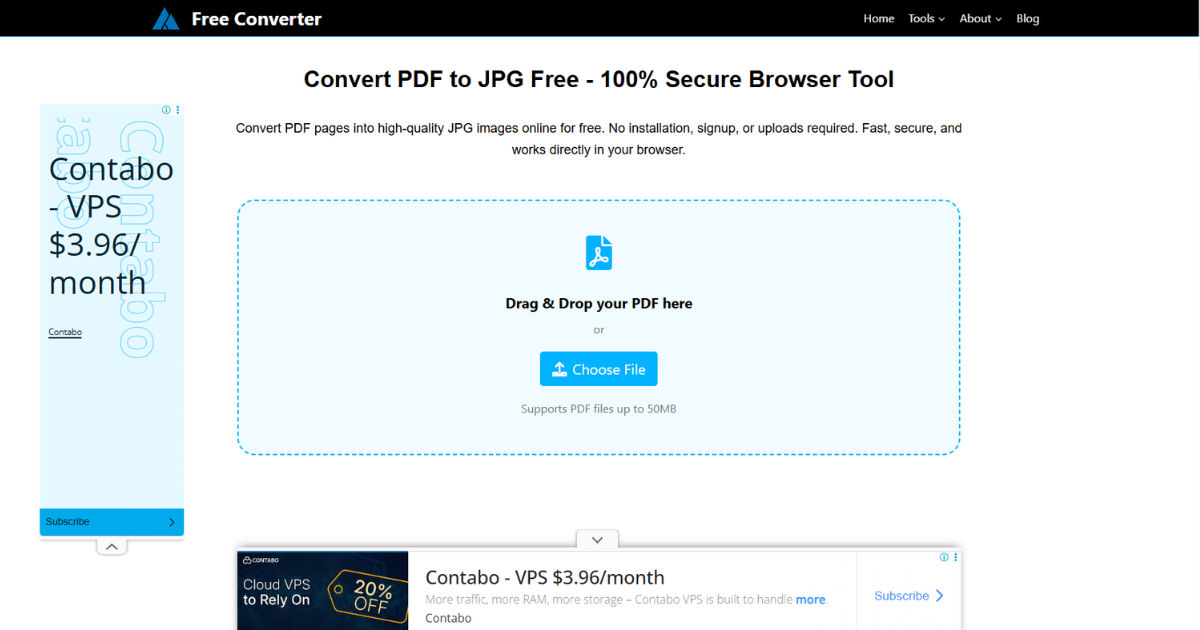
In this guide, you will learn how to make a pdf to image converter keep text clear, what causes text blur, and the best settings and techniques to improve quality. This article is designed for 12th-grade students, so everything is explained in simple language with practical examples.
By the end, you will understand how a pdf to image converter works and how to control its output for the best clarity.
Why Text Becomes Blurry in a PDF to Image Converter
When using a pdf to image converter, text can lose clarity due to how PDFs and images store information differently. PDFs are usually vector-based, meaning text is stored as mathematical shapes. Images, however, are pixel-based.
When a pdf to image converter turns vector text into pixels, it must decide how many pixels to use. If the resolution is too low, the text becomes blurry or jagged.
Another reason a pdf to image converter produces unclear text is compression. Some converters reduce file size by lowering image quality, which directly affects text sharpness.
Choosing the Right Settings in a PDF to Image Converter
One of the most important steps in improving clarity is selecting the correct settings in a pdf to image converter.
Most tools offer options like:
- Image quality
- Resolution (DPI)
- Format (PNG, JPG, TIFF)
A high-quality pdf to image converter allows users to manually adjust these settings. For clear text, always choose higher resolution and lossless formats.
If your pdf to image converter supports it, avoid automatic "fast conversion" modes because they often reduce quality.
DPI and Resolution in a PDF to Image Converter
DPI (Dots Per Inch) is one of the most important factors in a pdf to image converter. It controls how many pixels are used to represent one inch of the document.
Here’s a simple guide:
- 72 DPI → Low quality (blurry text)
- 150 DPI → Medium quality
- 300 DPI → High quality (recommended)
- 600 DPI → Very high quality (printing use)
A good pdf to image converter should allow at least 300 DPI for clear text output. If the text still looks unclear, increasing DPI is often the first fix.
However, using a pdf to image converter with extremely high DPI may increase file size, so balance is important.
Font Embedding Issues in a PDF to Image Converter
Fonts play a major role in text clarity. If fonts are not properly embedded in the original PDF, a pdf to image converter may replace them with default fonts.
This replacement can cause:
- Uneven spacing
- Blurry edges
- Incorrect character shapes
A reliable pdf to image converter reads embedded fonts correctly and preserves their appearance during conversion.
To avoid issues, always ensure your PDF is created with embedded fonts before using a pdf to image converter.
Vector vs Raster Output in a PDF to Image Converter
Understanding vector and raster formats is important when using a pdf to image converter.
- Vector PDF: Uses mathematical shapes (sharp at any size)
- Raster Image: Made of pixels (can blur when resized)
A pdf to image converter must convert vector text into raster images. If this conversion is not handled properly, text becomes blurry.
High-quality converters preserve edges by using anti-aliasing, which smooths text during conversion. A poor pdf to image converter may skip this step, resulting in jagged text.
Color Profiles and Their Impact on a PDF to Image Converter
Color profiles affect how text and graphics appear after conversion. A pdf to image converter typically uses RGB or CMYK color models.
- RGB is used for screens
- CMYK is used for printing
If a pdf to image converter mismatches these profiles, text may look dull or less sharp. Always match the output profile with your target use.
For example, if you are viewing images on a phone or computer, use RGB in your pdf to image converter settings.
Choosing the Right Output Format in a PDF to Image Converter
The output format you choose in a pdf to image converter affects clarity.
Common formats include:
PNG
Best for text clarity because it uses lossless compression. A pdf to image converter using PNG will keep text sharp.
JPG
Uses compression, which may reduce quality. A pdf to image converter may produce slightly blurry text in JPG format.
TIFF
Used for professional printing. A pdf to image converter with TIFF output preserves maximum quality.
For best results, always choose PNG or TIFF in your pdf to image converter.
Optimization Techniques for a PDF to Image Converter
To improve clarity, you must optimize settings in your pdf to image converter.
Here are some effective techniques:
- Increase DPI to at least 300
- Use PNG format instead of JPG
- Enable anti-aliasing
- Avoid compression when possible
- Keep original font embedding intact
A well-optimized pdf to image converter ensures text remains readable even when zoomed in.
Another useful tip is to test different settings in your pdf to image converter before final conversion.
Tools and Software Tips for a PDF to Image Converter
Different tools behave differently as a pdf to image converter. Some popular options include:
- Adobe Acrobat
- Online PDF converters
- Desktop conversion software
A professional-grade pdf to image converter usually gives more control over DPI, color profiles, and output format.
Free online tools may limit quality settings, which can reduce clarity. If you frequently use a pdf to image converter, investing in reliable software is a good idea.
Also, always check preview results before finalizing the output in a pdf to image converter.
Step-by-Step Workflow for a PDF to Image Converter
Follow this simple workflow for best results:
Step 1: Open your PDF
Load your file into a pdf to image converter.
Step 2: Choose settings
Select high DPI, preferably 300 or higher in your pdf to image converter.
Step 3: Select format
Choose PNG or TIFF in your pdf to image converter.
Step 4: Enable quality options
Turn on anti-aliasing in your pdf to image converter if available.
Step 5: Convert and review
Run the pdf to image converter and check the output carefully.
This workflow ensures that your pdf to image converter produces sharp and readable text every time.
Common Mistakes When Using a PDF to Image Converter
Many users make mistakes that reduce text clarity in a pdf to image converter.
Low DPI selection
The most common mistake in a pdf to image converter is using low resolution.
Using JPG format
Another mistake is choosing JPG instead of PNG in a pdf to image converter.
Ignoring font issues
If fonts are not embedded, even a good pdf to image converter cannot fix clarity problems.
Over-compressing files
Compression reduces quality in any pdf to image converter.
Avoiding these mistakes can significantly improve results from a pdf to image converter.
Advanced Techniques for a PDF to Image Converter
For advanced users, there are extra methods to improve clarity in a pdf to image converter.
Upscaling after conversion
You can increase resolution after using a pdf to image converter, but it is better to set high DPI initially.
Using vector-preserving tools
Some advanced pdf to image converter tools try to maintain vector edges during conversion.
Batch processing with settings lock
If converting many files, a pdf to image converter with batch settings ensures consistency.
Image sharpening filters
Some software allows sharpening after using a pdf to image converter, improving readability.
These techniques make a pdf to image converter more powerful and professional.
Conclusion
A pdf to image converter is a powerful tool, but its output quality depends heavily on how it is used. Poor settings can lead to blurry or unreadable text, while proper optimization ensures sharp and professional results.
To make a pdf to image converter keep text clear, always focus on DPI, format selection, font embedding, and color profiles. PNG or TIFF formats combined with 300 DPI or higher usually produce the best results. Avoid compression and always test settings before final conversion.
With the right knowledge, anyone can use a pdf to image converter effectively, whether for school projects, printing, or digital sharing. Understanding how a pdf to image converter works helps you control quality instead of relying on default settings.
In the end, clarity comes from choosing the right options, not just the tool itself. A properly configured pdf to image converter can produce images that look just as sharp as the original PDF.