Introduction: A Busy Dock, A Quiet Bottleneck
Here’s the reality: the dock can be packed, and orders can still run late. A logistics management system ties the route plan to the shelf, and the best warehouse management system sits in the middle to keep the handoff clean. Yet many teams still see trucks idling, pickers jogging, and returns creeping up. Recent studies suggest 18–25% of cycle time gets lost to wait states; mis-picks can add 1–3% to total landed cost. So, if we log everything and scan everything, why do delays keep showing up? (It’s not always the obvious stuff.) We see the KPI dashboards, but the root problems often live in the handoffs—the little moments where software meets people and physical flow. Let’s get honest about where the friction hides, and why “good enough” still hurts the bottom line.
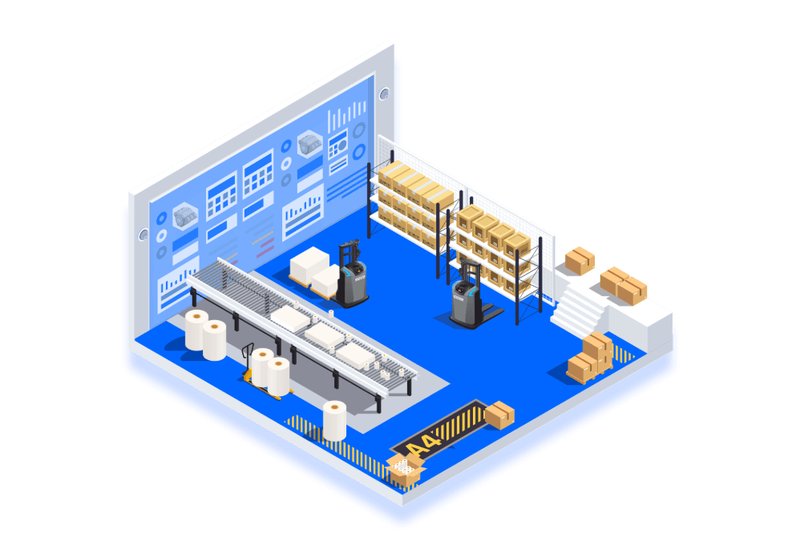
We’ll compare what we expect systems to do with what they actually enable on the floor. Then we’ll explore what changes as new tools roll in. Let’s dig in.
Part 2: The Deeper Layer—Hidden User Pain Points You Don’t See on the KPI
Where do bottlenecks hide?
Think about the best warehouse management system. On paper, it balances inventory, picks, and waves. In practice, gaps appear at the edges. Badge scans, forklift checks, and aisle re-routes create tiny stalls that don’t look like “errors,” but add up. Edge computing nodes push decisions closer to the floor, yet many sites still backhaul data to a single server, which slows slotting updates during peak minutes—funny how that works, right? RFID readers provide instant visibility, but when tags misread near metal racks, workers double-handle items to be safe. The API gateway may be robust, but if each app calls it in a different time window, you get jitter and stale task queues. Look, it’s simpler than you think: people hedge when data feels fuzzy, and hedging equals time.
The second set of pain points is cognitive. Multi-screen workflows split attention. Alerts ping at the wrong times. Even a solid WMS can over-prescribe steps, which forces detours when aisles clog. Power converters in older forklifts can add brief brownouts that drop handheld connections; workers wait, then re-scan, and the system logs “duplicate”—not “delay.” These micro-frictions hide because reports summarize by hour or shift. The fix is not only tighter rules. It’s clearer signals at the right moment, fewer hops between tools, and fast local logic that keeps tasks moving even when the network hiccups. If we treat these as edge cases, we miss the core drag on flow.
Part 3: Looking Ahead—Principles That Rewire Flow, Not Just Reports
What’s Next
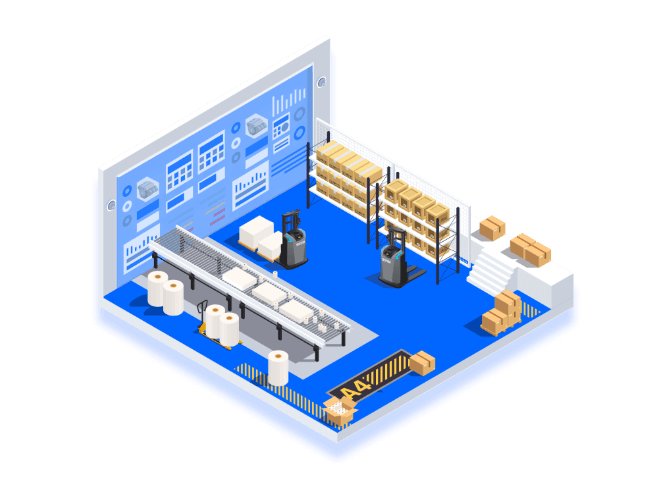
Shifting from “report better” to “move better” starts with new technology principles. First, prioritize local autonomy: decisions that live near the picker or AMR keep work moving when the cloud lags. That means placing simple rules on edge computing nodes and syncing summaries upstream. Second, design for signal strength, not noise. Fewer, clearer prompts—tied to actual congestion and slotting algorithms—reduce hedging. Third, create a shared digital twin that blends transport ETA, aisle density, and pick sequence in one view. When the best warehouse management system feeds this model, the dock, the floor, and the yard act like one team. Short. Direct. Helpful. (That’s the point.)
Comparatively, legacy stacks look tall and slow. They centralize logic and over-index on after-the-fact KPIs. The emerging stack is flatter: fast sensors, resilient handhelds, and lightweight services that route tasks in near real time. Think RFID with confidence thresholds, AMR traffic control that adapts to aisle heat maps, and a WMS that tunes picks as cartons move. You still need the big picture, but not at the cost of minute-to-minute flow. The outcome? Fewer idle minutes, steadier cycle times, and less cognitive load on the floor—because the system meets people where they work, not where reports live.
How to Choose: A Short, Practical Checklist
Advisory close—keep it simple. When you evaluate platforms, measure three things. 1) Latency to decision: time from event to task update at the edge (include failover behavior). 2) Signal quality: accuracy of location and identity across mixed conditions, including metal racks and high traffic (RFID and vision together beat either alone). 3) Flow resilience: ability to sustain tasking through network dips, device swaps, and power flickers without duplicate scans or lost picks. If a solution wins on these, the rest follows. If it doesn’t, the “features” won’t save your day—funny how that works, right? For deeper insight and practical builds, see SEER Robotics.