
In today's digital world, mobile communication has become a fundamental part of our daily lives. But have you ever wondered how mobile networks keep track of millions of users and their information? The answer lies in something called a Sim Database.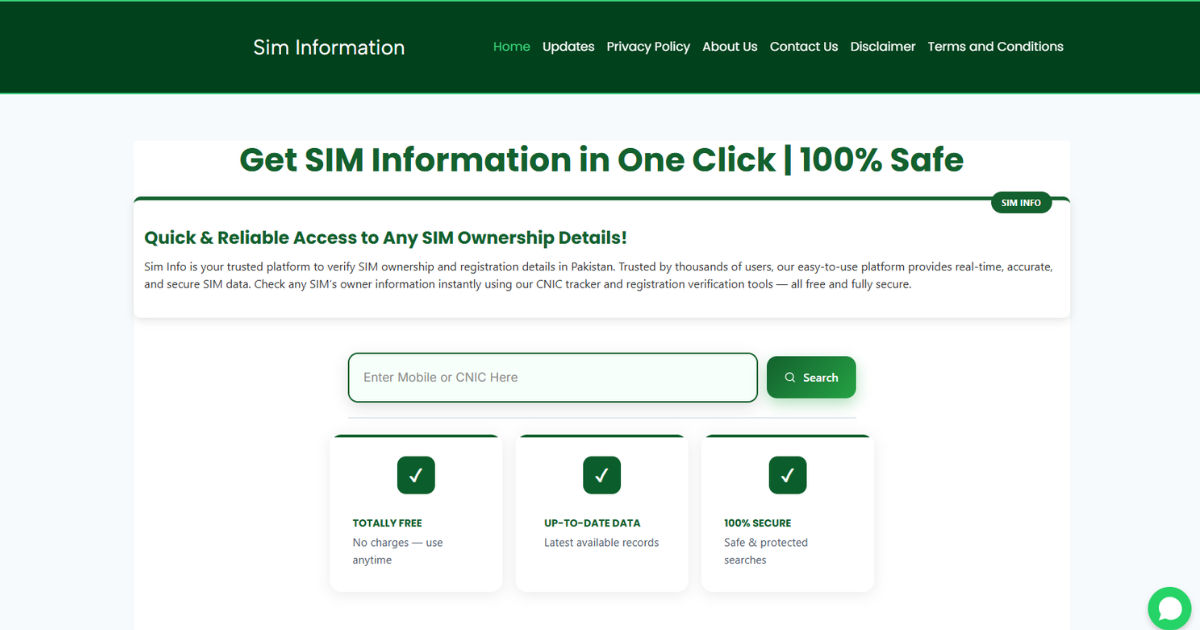
Understanding Sim Database registration details is crucial for both regular users and professionals dealing with telecom services. This guide will break down everything about Sim Database registration, why it matters, and how it works in an easy-to-understand way.
Understanding the Sim Database
A Sim Database is essentially a digital repository maintained by telecom companies that stores all information related to SIM cards issued in a country. Every SIM card has a unique identifier, known as an IMSI (International Mobile Subscriber Identity), and this identifier is linked to a database record containing the user’s details.
The database ensures that telecom networks can authenticate users, prevent fraud, and provide personalized services. In many countries, including Pakistan, governments have made it mandatory for SIM cards to be registered to an individual, linking the Sim Database directly to national identity information.
Components of a Sim Database
A typical Sim Database contains several key components:
-
Subscriber Information: This includes the full name, date of birth, and sometimes the gender of the person to whom the SIM is issued.
-
Identification Details: Most countries require a national ID, passport, or other official documents for verification.
-
SIM Details: The database stores the SIM card number, IMSI, ICCID (SIM serial number), and mobile number.
-
Service Provider Information: The network operator that issued the SIM is recorded, ensuring accountability.
-
Activation Date and Status: When the SIM was activated and whether it is currently active or deactivated.
The combination of these details ensures that each SIM card can be traced back to a verified individual.
Why Sim Database Registration is Important
The registration of SIM cards in the Sim Database is not just bureaucratic paperwork. It serves several important purposes:
-
Preventing Fraud and Crime: By linking a SIM to a verified person, authorities can track misuse, scams, and illegal activities.
-
National Security: Governments can monitor communication patterns if required for security purposes.
-
Consumer Protection: It ensures that only verified users can access telecom services, reducing identity theft.
-
Service Accuracy: Telecom providers can offer tailored services, manage billing, and maintain accurate records.
Without a properly maintained Sim Database, it would be difficult for telecom operators to manage millions of subscribers efficiently.
How Sim Database Registration Works
The process of registering a SIM in the Sim Database is straightforward but varies slightly depending on the country and telecom provider. Here’s a general step-by-step guide:
Step 1: Choose a SIM Provider
The first step is selecting a network operator. Each provider manages its own set of subscribers, but all data is uploaded to the national Sim Database.
Step 2: Provide Personal Information
The user needs to provide personal information, including full name, date of birth, and address. Some countries also require biometric verification like fingerprints or facial recognition.
Step 3: Submit Official Identification
A valid form of identification, such as a national ID card, passport, or driver’s license, is required. This ensures that the SIM card is registered to a real person.
Step 4: Verification Process
The telecom operator verifies the provided information against the official identification. Some systems even cross-check details with government databases.
Step 5: Record in Sim Database
Once verified, the SIM card details, along with the user information, are uploaded to the Sim Database. This record becomes the official registration of the SIM.
Step 6: Activation
Finally, the SIM card is activated, allowing the user to access mobile network services.
Key Information Stored in the Sim Database
A Sim Database is more than just names and numbers. It contains detailed information that helps telecom operators manage their services efficiently.
-
Mobile Number: The primary identifier for any SIM card.
-
SIM Serial Number (ICCID): A unique 19–20 digit number assigned to every SIM card.
-
IMSI Number: Used by the network to identify the subscriber.
-
Network Operator Details: Records which telecom company issued the SIM.
-
Activation and Expiry Dates: Shows when the SIM was issued and its validity.
-
User Identification Data: Name, date of birth, and national ID or passport details.
This information is critical for tracking usage patterns, billing, and ensuring compliance with regulations.
Legal and Regulatory Aspects
Governments worldwide have introduced regulations to ensure that SIM cards are registered properly in the Sim Database. In Pakistan, for instance, the Pakistan Telecommunication Authority (PTA) mandates that every SIM card must be registered using CNIC (Computerized National Identity Card) information.
Failure to register can lead to deactivation of the SIM. These regulations are aimed at reducing crime, preventing misuse of mobile networks, and maintaining national security.
Benefits of Sim Database Registration
-
Enhanced Security: Registered SIMs prevent fraudulent activities like cloning and identity theft.
-
Accountability: Every mobile number is linked to a verified individual, improving transparency.
-
Law Enforcement Aid: Authorities can track illegal activities if needed.
-
Telecom Management: Operators can manage network load, billing, and customer service more effectively.
-
Service Personalization: Registered data allows telecoms to offer customized plans and services.
The benefits of maintaining an accurate Sim Database cannot be overstated. It is essential for both telecom operators and users.
Risks and Challenges
Even with registration systems in place, there are some challenges:
-
Data Privacy Concerns: Storing personal information in a Sim Database raises concerns about misuse or unauthorized access.
-
Identity Fraud: Despite verification, some individuals may use fake documents to register SIMs.
-
Technical Errors: Mistakes in data entry can result in incorrect registration, leading to service issues.
-
Regulatory Compliance: Operators must constantly update records to comply with new rules, which can be challenging.
Understanding these challenges is important to appreciate why maintaining a secure and accurate Sim Database is a priority.
How to Check Your Sim Database Registration
Most telecom authorities provide ways for users to check if their SIM is registered correctly. Common methods include:
-
SMS Verification: Sending a specific code to a dedicated number to receive registration details.
-
Online Portals: Many countries have official websites where users can input their mobile number to verify registration.
-
Customer Service Centers: Visiting telecom offices to confirm SIM registration and correct any errors.
Regularly checking your SIM registration ensures that your information is accurate and that your mobile services remain uninterrupted.
The Role of Technology in Sim Database Management
Modern technology has made Sim Database management more efficient:
-
Biometric Verification: Using fingerprints and facial recognition for secure registration.
-
Cloud Storage: Databases are often hosted on secure cloud servers, ensuring scalability.
-
Automated Verification Systems: Software that automatically cross-checks user data with government databases.
-
Real-Time Updates: Changes in SIM status, such as activation, deactivation, or suspension, are instantly updated.
These technological advancements make it easier for operators to maintain a reliable Sim Database.
Common Misconceptions
Many people have misconceptions about SIM registration and the Sim Database:
-
"My SIM is safe even if not registered" – In reality, unregistered SIMs are usually deactivated.
-
"Only criminals need to worry about SIM registration" – All users benefit from accurate registration for security and service reasons.
-
"Registration is complicated" – With modern systems, the process is usually straightforward and quick.
Understanding the facts helps users comply with regulations and protect their personal information.
Future of Sim Database Registration
The future of Sim Database registration is likely to be shaped by technology and regulatory changes:
-
Digital Identity Integration: Linking SIM registration directly with national digital IDs.
-
Blockchain Technology: Ensuring data integrity and preventing tampering of SIM records.
-
Artificial Intelligence: Predicting fraudulent registrations and improving verification.
-
Enhanced Privacy Measures: Balancing user privacy with the need for security and regulation.
These innovations aim to make SIM registration more secure, efficient, and user-friendly.
Conclusion
Understanding Sim Database registration details is essential in today’s mobile-driven world. From the initial registration process to the benefits and challenges, every aspect of the Sim Database plays a crucial role in maintaining secure, reliable, and efficient telecom services. Proper registration protects users, supports law enforcement, and allows telecom operators to manage millions of subscribers effectively.
Whether you are a regular mobile user or a professional in the telecom industry, knowing how the Sim Database works ensures you stay informed, secure, and compliant with regulations. By staying updated and checking your registration, you can enjoy seamless mobile communication without any disruptions.