
A Packaging Machine is widely used in modern industries to pack food, medicine, and consumer products efficiently. Choosing the right film for a Packaging Machine is one of the most important steps in ensuring strong sealing, product safety, and long shelf life.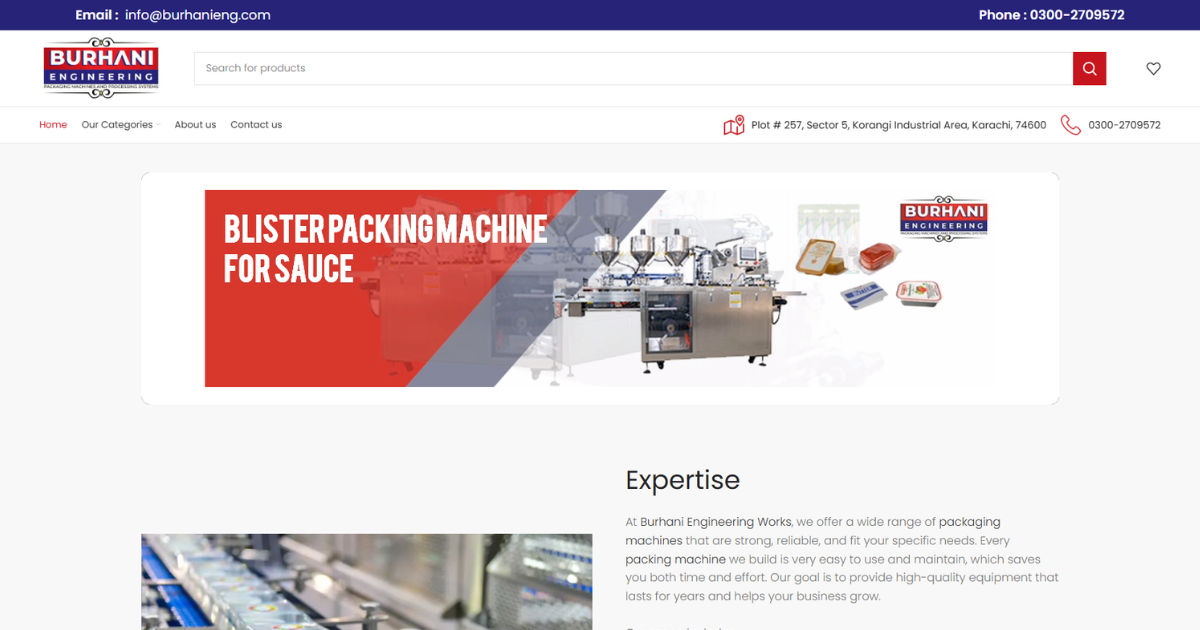
Without the correct film, even the most advanced Packaging Machine cannot deliver high-quality packaging results.In this guide, you will learn what types of films work best with a Packaging Machine, how they are used, and why material selection matters.
We will also explore different industries, machine types, sealing methods, and common mistakes people make when working with a Packaging Machine. This article is written in simple language so 12th-grade students and beginners can easily understand it.
What is Packaging Film in a Packaging Machine?
A Packaging Machine uses flexible materials called films to wrap or seal products. These films act as a protective layer that keeps products safe from air, moisture, dust, and contamination.
In every Packaging Machine, film selection decides:
- Product freshness
- Shelf life
- Appearance of packaging
- Strength of sealing
Different industries use different types of film in a Packaging Machine depending on product needs.
Why Film Selection is Important for Packaging Machine
The performance of a Packaging Machine depends heavily on film compatibility. If the film is too thick or too thin, the machine may not seal properly.
A Packaging Machine requires films that match:
- Temperature settings
- Sealing pressure
- Machine speed
- Product weight
Using the wrong film in a Packaging Machine can cause leakage, poor sealing, or product damage.
Types of Films Used in Packaging Machine
A Packaging Machine works with many types of films. Each film has different properties and uses.
Polyethylene (PE) Film
Polyethylene is one of the most commonly used materials in a Packaging Machine. It is flexible, durable, and cost-effective.
A Packaging Machine uses PE film for:
- Food packaging
- Grocery bags
- Frozen products
PE film works well in a Packaging Machine because it seals easily and resists moisture.
Polypropylene (PP) Film
PP film is strong and transparent. A Packaging Machine uses this film when product visibility is important.
In a Packaging Machine, PP film is used for:
- Snacks
- Bakery items
- Confectionery
It gives a shiny finish and improves product presentation in a Packaging Machine.
Polyester (PET) Film
PET film is very strong and heat-resistant. A Packaging Machine often uses it in industrial packaging.
This film in a Packaging Machine is suitable for:
- Electronics
- Heavy-duty packaging
- Laminated packaging
It provides excellent protection when used in a Packaging Machine.
PVC Film
PVC film is flexible and easy to shrink. A Packaging Machine uses it mainly for shrink packaging.
A Packaging Machine uses PVC for:
- Bottles
- Cosmetic packaging
- Multipack products
However, it is less eco-friendly compared to other materials used in a Packaging Machine.
BOPP Film
BOPP (Biaxially Oriented Polypropylene) is widely used in modern Packaging Machine systems.
A Packaging Machine uses BOPP for:
- Snacks
- Chips
- Dry foods
It provides excellent clarity and strength in a Packaging Machine.
Laminated Films
Laminated films combine multiple layers. A Packaging Machine uses these films for advanced protection.
In a Packaging Machine, laminated films are used for:
- Coffee
- Spices
- Medical products
They provide high barrier protection in a Packaging Machine.
Biodegradable Films
Eco-friendly packaging is growing. A Packaging Machine now also works with biodegradable films.
A Packaging Machine uses these films for:
- Organic food packaging
- Environment-friendly brands
- Retail packaging
These films reduce environmental impact when used in a Packaging Machine.
How Packaging Machine Works with Films
A Packaging Machine follows a simple process to handle films:
Film Feeding System
The Packaging Machine pulls film from a roll and feeds it into the system.
Forming Process
The Packaging Machine shapes the film into bags or wraps.
Filling Process
Products are inserted into the film by the Packaging Machine.
Sealing Process
Heat or pressure is applied by the Packaging Machine to seal the film.
Cutting Process
Finally, the Packaging Machine cuts the sealed package into individual units.
Types of Packaging Machine and Film Usage
Different types of Packaging Machine use different film structures.
Vertical Form Fill Seal (VFFS) Machine
A VFFS Packaging Machine uses roll films to create bags vertically.
It is used for:
- Powder products
- Snacks
- Grains
This Packaging Machine works best with PE and laminated films.
Horizontal Flow Wrap Machine
A horizontal Packaging Machine wraps products in a continuous motion.
It is used for:
- Chocolates
- Bakery items
- Soap bars
This Packaging Machine usually works with BOPP or PP film.
Vacuum Packaging Machine
A vacuum Packaging Machine removes air before sealing.
It is used for:
- Meat
- Cheese
- Perishable food
This Packaging Machine requires strong barrier films.
Shrink Packaging Machine
A shrink Packaging Machine uses heat to tighten PVC or polyolefin film around products.
It is used for:
- Bottles
- Electronics
- Bundled items
Factors to Choose Film for Packaging Machine
Selecting the right film for a Packaging Machine depends on several factors.
Product Type
A Packaging Machine must match film with product nature—solid, liquid, or powder.
Shelf Life Requirement
Long shelf life requires strong barrier films in a Packaging Machine.
Temperature Resistance
Some products need heat sealing in a Packaging Machine, requiring heat-resistant films.
Machine Compatibility
Not all films work in every Packaging Machine, so compatibility is essential.
Cost Efficiency
Businesses choose films based on budget when using a Packaging Machine.
Film Properties Important for Packaging Machine
A Packaging Machine depends on film quality and technical properties.
Thickness
Thicker films provide strength but may slow down a Packaging Machine.
Seal Strength
Good sealing ensures no leakage in a Packaging Machine.
Transparency
Clear films improve product visibility in a Packaging Machine.
Barrier Protection
Protects against oxygen, moisture, and light in a Packaging Machine.
Common Problems in Packaging Machine Film Usage
Even a modern Packaging Machine can face issues if the film is not suitable.
Poor Sealing
Incorrect film leads to weak sealing in a Packaging Machine.
Wrinkling
Low-quality film causes wrinkles in a Packaging Machine output.
Film Breakage
Thin or weak films may break inside a Packaging Machine.
Machine Jamming
Wrong film thickness can stop the Packaging Machine from running smoothly.
Industrial Applications of Packaging Machine Films
A Packaging Machine is used in many industries:
Food Industry
A Packaging Machine is widely used for snacks, frozen food, and beverages.
Pharmaceutical Industry
Medicines are safely packed using a Packaging Machine.
Cosmetics Industry
Creams and beauty products are sealed using a Packaging Machine.
Industrial Goods
Tools and hardware products are packed using a Packaging Machine.
Future Trends in Packaging Machine Films
The future of Packaging Machine technology is moving toward sustainability and automation.
Eco-Friendly Films
A Packaging Machine will increasingly use biodegradable materials.
Smart Packaging
Advanced Packaging Machine systems will use smart sensors.
AI Integration
Modern Packaging Machine systems will optimize film usage automatically.
Advantages of Using Proper Film in Packaging Machine
Using the right film in a Packaging Machine provides many benefits:
- Better product protection
- Longer shelf life
- Attractive packaging
- Reduced waste
- Efficient production in Packaging Machine
Maintenance Tips for Packaging Machine Film Handling
To keep a Packaging Machine working efficiently:
- Store films in dry conditions
- Use recommended film types
- Clean machine rollers regularly
- Check sealing temperature
- Avoid mixing incompatible films in a Packaging Machine
Conclusion
Choosing the right film is essential for the performance of a Packaging Machine. From food packaging to industrial use, every Packaging Machine depends on film quality, strength, and compatibility. Different materials like PE, PP, PET, and laminated films each serve unique purposes in a Packaging Machine.
Understanding film types helps improve sealing quality, reduce waste, and increase efficiency. As technology advances, the Packaging Machine industry is moving toward eco-friendly and smart packaging solutions. Businesses that choose the correct film for their Packaging Machine will achieve better product safety and customer satisfaction.
In short, the success of any packaging process depends not just on the Packaging Machine, but also on the film used with it.