
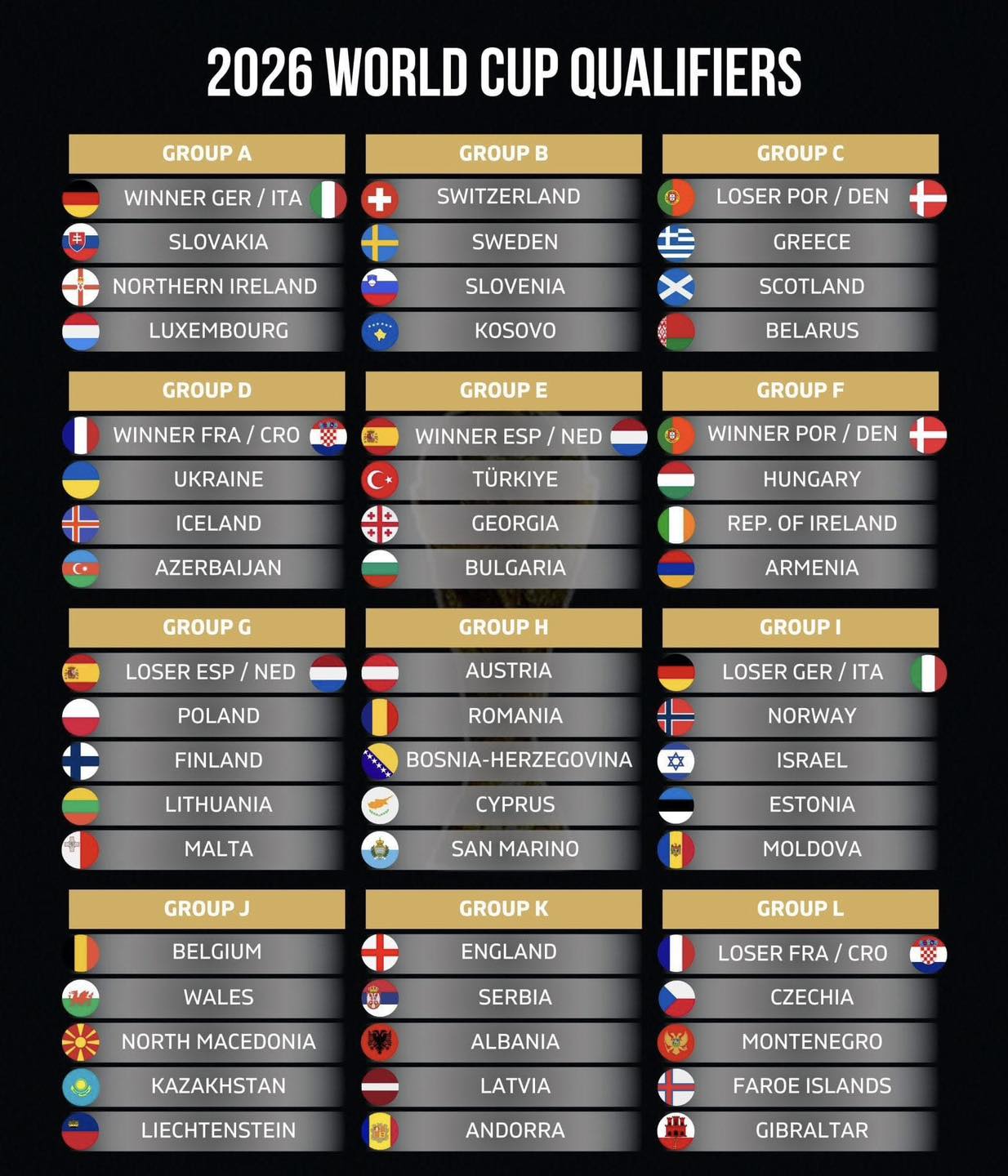
The 2026 FIFA World Cup group stage generates an enormous statistical dataset across its 72 matches. These facts and numbers define the group stage’s scale and give context for the standings that emerge from it. The find every team’s position here page tracks the results that produce these statistics in real time.
72 total group-stage matches produce the standings for all 12 groups. Each match takes approximately 96 to 100 minutes of playing time including stoppages. The full group stage represents roughly 7,200 minutes of live World Cup football.
Goals, Cards, and Match Events in 72 Matches
Based on recent World Cup averages, the 72 group-stage matches in 2026 will produce approximately 175 to 220 total goals — an average of 2.4 to 3.1 goals per match. Yellow cards average around 3 to 4 per match across modern World Cups. Red cards appear in approximately 5 to 8 percent of matches.
The goals statistics directly affect standings through the goals scored and goals conceded columns. The disciplinary statistics affect only the fair play tiebreaker column, which rarely determines advancement but occasionally proves decisive in the closest tiebreaker scenarios.
Group Stage Statistics That Shape Knockout Predictions
Post-group-stage analysis uses the full 72-match statistical record to predict knockout performance. Teams with high shot conversion rates in the group stage tend to maintain their finishing efficiency in the knockouts. Teams with low goals-against records carry defensive solidity into the knockout rounds where a single goal conceded can end the tournament.
Following Group stage Through All Three Matchdays
Group stage is one of 12 groups that together contain all 48 nations competing in the 2026 World Cup. The two teams that finish first and second in Group stage advance automatically to the Round of 32. The third-place team from Group stage may also advance if its record places it among the eight best third-place finishers across all groups.
Group stage’s standings shift most dramatically on Matchday 3 when all four teams play at the same time. Fans following Group stage should track both Matchday 3 matches simultaneously using the live standings page. Simultaneous score changes can flip second and third place in the table within seconds. Goal difference is the primary tiebreaker and a late goal in either Group stage match can change who advances.
All of these statistical patterns begin with the goals and results captured in the 12 group-stage standings tables — the foundational dataset for the entire 2026 World Cup statistical analysis.